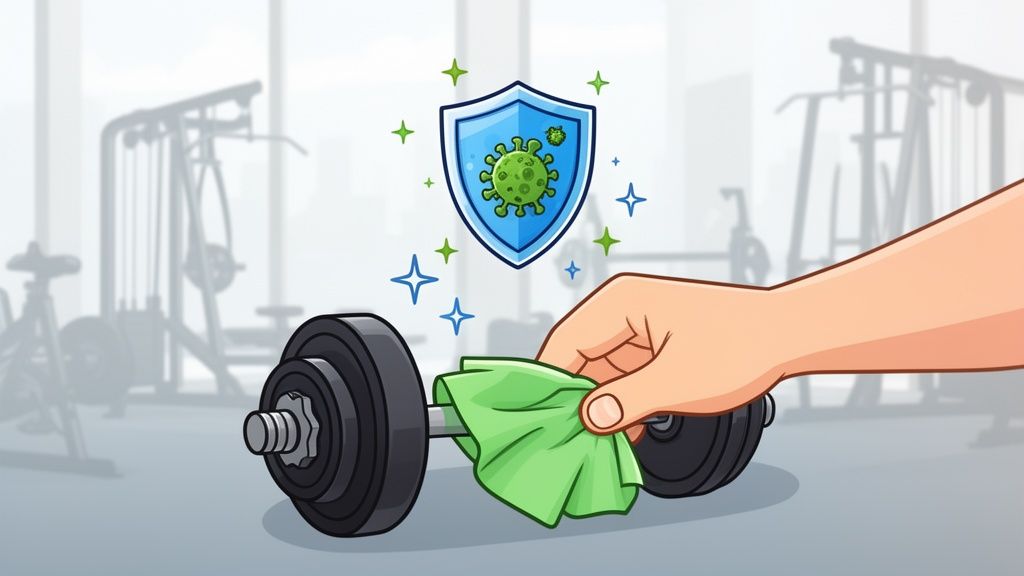
In the world of fitness centers, MRSA is the superbug that demands respect. Methicillin-resistant Staphylococcus aureus, or MRSA, is a formidable type of staph bacteria that has evolved to resist many of the antibiotics once used to treat it. For gym owners, managers, and janitorial staff, understanding this pathogen isn't just a matter of hygiene—it's a critical component of member safety and facility reputation. An MRSA outbreak can be a serious health threat and a public relations nightmare, making proactive prevention an absolute necessity.
Definition and Overview: What Exactly is MRSA?
Staphylococcus aureus is a common bacterium, often found living harmlessly on the skin or in the nose of about one-third of the population. MRSA is a specific strain of this bacteria that has developed resistance to methicillin and other related antibiotics like penicillin and amoxicillin. This resistance makes MRSA infections much more difficult to treat than ordinary staph infections.
MRSA is typically categorized into two types:
- Hospital-Associated MRSA (HA-MRSA): Infections acquired in healthcare settings.
- Community-Associated MRSA (CA-MRSA): Infections acquired by people with no recent history of hospitalization, often in settings where there is close skin-to-skin contact and shared equipment.
For the fitness industry, CA-MRSA is the primary concern. This strain is notorious for spreading in environments where people are in close contact, making gyms a potential hotspot.

Where It’s Commonly Found: MRSA in the Gym Environment
MRSA thrives in high-traffic, high-touch environments. The combination of sweat, shared surfaces, and potential skin abrasions creates a perfect storm for transmission. In a gym, the bacterium can survive for hours, days, or even weeks on surfaces if not properly disinfected.
Key hot zones for MRSA include:
- Weight Benches and Upholstery: The porous vinyl surfaces can harbor bacteria, especially if they have small nicks or cracks.
- Dumbbells, Barbells, and Kettlebells: Grips are touched by countless hands throughout the day.
- Yoga and Wrestling Mats: Direct skin contact makes these a major risk area.
- Cardio Machine Handles and Touchscreens: Sweat and frequent touching create a prime transmission point.
- Locker Room Benches and Showers: Warm, damp environments are ideal for bacterial growth.
Any surface that comes into contact with members' skin is a potential vector for MRSA.
Health Risks: Why MRSA is a Serious Concern
MRSA infections typically begin as small, red bumps on the skin that may resemble pimples, spider bites, or boils. They can be swollen, painful, warm to the touch, and may contain pus. If left untreated, these seemingly minor skin infections can quickly become severe and burrow deep into the body, causing life-threatening infections in bones, joints, surgical wounds, the bloodstream, heart valves, and lungs.
Transmission occurs through:
- Direct Contact: Skin-to-skin contact with an infected person.
- Indirect Contact: Touching a surface or object (like a dumbbell or towel) that has been contaminated with MRSA.
The bacterium enters the body through a cut, scrape, or other break in the skin. Because of its antibiotic resistance, what starts as a simple skin issue can escalate into a serious medical emergency, requiring powerful intravenous antibiotics.
How to Kill or Control It: The Power of Proper Disinfection
Controlling MRSA in a gym environment hinges on a rigorous and consistent cleaning protocol. Simply wiping away sweat is not enough; you must disinfect. This means using a product that is proven to kill the bacterium.
Here’s how to effectively combat MRSA:
- Use an EPA-Registered Disinfectant: Choose disinfectant wipes or sprays that are registered with the U.S. Environmental Protection Agency (EPA) and specifically list Staphylococcus aureus (MRSA) on their kill claims. This is your guarantee of efficacy.
- Respect the Dwell Time: Dwell time is the minimum period a surface must remain visibly wet with the disinfectant to kill the pathogen. For MRSA, this is often between 2 and 10 minutes. A quick swipe-and-go is ineffective. Train staff and members to ensure the surface stays wet for the full required time.
- Focus on High-Touch Surfaces: Implement a strict schedule for disinfecting the hot zones identified earlier. During peak hours, these surfaces should be cleaned multiple times.
- Promote Member Hygiene: Encourage members to wipe down equipment before and after use, wash their hands frequently, and cover any cuts or scrapes before working out.
Who Should Be Concerned: A Message to Gym Operators
Gym owners, facility managers, and janitorial staff are on the front lines of preventing MRSA transmission. Your responsibility is to create a safe environment by providing the right tools and implementing a solid plan.
- Business Owners: Investing in high-quality, EPA-registered sanitizer wipes for gym use protects your members and your business from the liability and reputational damage of an outbreak.
- Janitorial Staff: Proper training on disinfection techniques, especially dwell times and the difference between cleaning and disinfecting, is crucial for your team's success.
- Gym Members: While the facility provides the tools, members share the responsibility. Everyone should be vigilant about personal hygiene and wiping down equipment to protect themselves and others.
A proactive approach to combating MRSA not only prevents infections but also builds trust and demonstrates a clear commitment to member well-being.
For reliable, EPA-registered disinfectant wipes proven to be effective against MRSA and other common pathogens, we recommend the professional-grade solutions from Wipes.com. Their products are designed specifically for high-traffic environments like gyms, ensuring you have the right tools to keep your facility safe and clean.
Leave a Reply