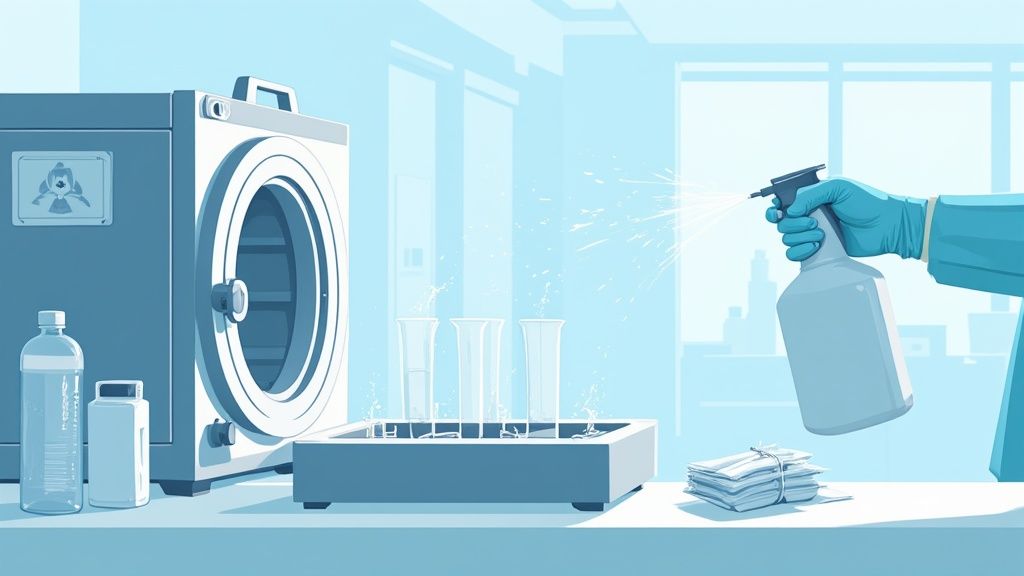
Pseudomonas aeruginosa is a formidable, opportunistic bacterium that poses a significant threat in various commercial and healthcare environments. Known for its remarkable adaptability and resistance to many antibiotics, it is a primary concern for facility managers, healthcare providers, and janitorial staff. Understanding how to identify, manage, and eliminate this pathogen is crucial for maintaining a safe and hygienic space.
Definition and Overview: What is Pseudomonas Aeruginosa?
Pseudomonas aeruginosa is a common Gram-negative, rod-shaped bacterium that can be found in soil, water, and on plant surfaces. One of its most notable traits is its ability to thrive in a wide range of environments, including moist areas where few other organisms can survive. It often produces a characteristic blue-green pigment (pyocyanin) and a grape-like odor, which can sometimes signal its presence in heavy contaminations.
This bacterium is an "opportunistic pathogen," meaning it typically infects individuals who are already ill or have compromised immune systems. Its robust nature and inherent resistance to many disinfectants and antibiotics make it a persistent challenge in infection control.
Where It’s Commonly Found
P. aeruginosa thrives in damp environments, making it a common contaminant in facilities where water is prevalent. Key high-risk areas include:
- Hospitals and Healthcare Facilities: A major source of healthcare-associated infections (HAIs), it colonizes respiratory equipment, catheters, sinks, and hydrotherapy pools.
- Gyms and Spas: Locker room floors, showers, hot tubs, and swimming pools are ideal breeding grounds.
- Commercial Buildings: HVAC systems, drains, and faucets can harbor biofilms containing the bacteria.
- Food Service Areas: Damp cleaning cloths, mops, and floor drains can become contaminated if not properly managed.
The bacteria can form resilient biofilms—slimy, protective layers that adhere to surfaces and make them difficult to remove and kill.
Health Risks and Transmission
For healthy individuals, exposure to P. aeruginosa rarely causes serious illness. However, for vulnerable populations, the consequences can be severe. The bacterium can cause a range of infections, including:
- Pneumonia: Particularly in hospitalized patients on ventilators.
- Urinary Tract Infections (UTIs): Often associated with catheter use.
- Surgical Site Infections: Contaminating wounds after a procedure.
- Sepsis: A life-threatening bloodstream infection.
- Skin Infections: Such as "hot tub folliculitis," a rash caused by contaminated water.
Transmission occurs through contact with contaminated water, surfaces, or medical equipment. The rise of multi-drug resistant (MDR) strains of P. aeruginosa is a growing concern, making infections increasingly difficult to treat and highlighting the critical importance of effective environmental hygiene.
How to Kill or Control It
Eradicating P. aeruginosa requires a diligent and systematic approach to cleaning and disinfection. Because it can survive in harsh conditions and form protective biofilms, simply wiping down a surface is not enough.
Effective control hinges on using the right products and techniques:
- Cleaning First: Always begin by thoroughly cleaning surfaces with a detergent to remove soil, organic matter, and break down biofilms. This physical removal step is critical, as disinfectants are less effective on dirty surfaces.
- Use an EPA-Registered Disinfectant: Select a disinfectant specifically proven to be effective against Pseudomonas aeruginosa. Products like disinfectant wipes should have an EPA registration number and list P. aeruginosa on their kill claims. This ensures the product has undergone rigorous testing and meets federal efficacy standards.
- Respect the Dwell Time: Dwell time is the amount of time a disinfectant must remain wet on a surface to achieve its claimed kill rate. For P. aeruginosa, this can range from 3 to 10 minutes, depending on the product. Wiping the surface dry before the dwell time is met will not result in proper disinfection.
- Proper Application: When using disinfectant wipes, use enough to thoroughly wet the entire surface. For larger areas, multiple wipes may be necessary to ensure complete coverage and maintain the required dwell time.
Who Should Be Concerned?
While everyone benefits from a cleaner environment, certain roles carry a greater responsibility for controlling the spread of P. aeruginosa:
- Healthcare Providers and Infection Control Practitioners: Must enforce strict hygiene protocols for medical equipment, patient rooms, and common areas to prevent HAIs.
- Janitorial and Environmental Services Staff: Are on the front lines of defense. Proper training on cleaning procedures, dwell times, and the use of EPA-registered disinfectants is essential.
- Gym Operators and Fitness Center Managers: Have a duty to maintain the hygiene of showers, pools, and equipment to protect their members from skin and waterborne infections.
- Business Owners and Facility Managers: Are responsible for implementing and overseeing cleaning protocols that protect the health of employees and visitors.
Practical Takeaway: To effectively combat Pseudomonas aeruginosa, focus on a two-step process: meticulously clean surfaces to remove biofilms and debris, then apply an EPA-registered disinfectant, ensuring you follow the manufacturer’s specified dwell time to the letter. Consistent and correct application of proven disinfectant products is the key to minimizing the risk this persistent pathogen poses.
Leave a Reply