Staphylococcus aureus, often shortened to S. aureus or "staph," is a common bacterium that facility managers, janitorial staff, and business owners in high-traffic environments need to understand. While often harmless, it's an opportunistic pathogen capable of causing a wide range of infections, some of which can be severe. Understanding where it thrives and how to control it is fundamental to maintaining a safe and hygienic space.
This guide provides a clear overview of S. aureus, its health risks, and effective strategies for its control in commercial and public settings.
Definition and Overview: What is Staphylococcus Aureus?

Staphylococcus aureus is a gram-positive bacterium, appearing as round, grape-like clusters under a microscope. It's a natural inhabitant of the skin and upper respiratory tract in about 30% of healthy people, a state known as colonization. For most, its presence goes unnoticed.
However, its notable trait is its ability to transition from a harmless colonizer to an infectious agent when it breaches the body's natural defenses, such as through a cut or wound. S. aureus is highly adaptable and resilient, capable of surviving on dry surfaces for extended periods. This durability makes it a persistent challenge in environments with many shared surfaces and high human traffic. Some strains have also developed resistance to common antibiotics, like Methicillin-resistant Staphylococcus aureus (MRSA), making infections harder to treat.
Where It’s Commonly Found
S. aureus is a master of survival and can be found in virtually any environment where people are present. However, it is particularly prevalent in high-touch, high-traffic commercial settings. Facility managers should be vigilant in these key areas:
- Gyms and Fitness Centers: Shared equipment like dumbbells, yoga mats, and cardio machine handles are prime breeding grounds. Locker rooms and benches are also high-risk zones.
- Hospitals and Healthcare Facilities: As a notorious source of healthcare-associated infections (HAIs), S. aureus is found on bed rails, medical equipment, and privacy curtains.
- Schools and Daycares: Children are frequent carriers, and the bacteria easily spreads via shared toys, desks, and doorknobs.
- Offices and Corporate Buildings: High-touch points like elevator buttons, shared keyboards, conference tables, and door handles can harbor the bacteria.
- Food Service Areas: While not a typical foodborne pathogen like Salmonella, it can be transferred from the hands of food workers to surfaces and food, potentially causing staphylococcal food poisoning.
Health Risks and Transmission

Transmission of S. aureus primarily occurs through direct contact with an infected person or, more commonly in commercial settings, by touching a contaminated surface (a fomite) and then touching your mouth, nose, or eyes.
When S. aureus enters the body, it can cause a variety of infections, ranging in severity:
- Skin Infections: The most common manifestation, including boils, cellulitis, and impetigo. These often appear as red, swollen, and painful bumps.
- Invasive Infections: If the bacteria enter the bloodstream, they can cause life-threatening conditions like sepsis, pneumonia, or endocarditis (infection of the heart lining).
- Food Poisoning: Caused by consuming food contaminated with toxins produced by S. aureus, leading to nausea, vomiting, and stomach cramps. You can learn more about effective ways to prevent foodborne illness.
The rise of antibiotic-resistant strains like MRSA poses a significant public health threat, as these infections are more difficult and costly to treat. You might be interested to learn about how some treatments, like antibiotics, can affect your energy levels.
How to Kill or Control It

Controlling S. aureus in commercial environments relies on a two-pronged approach: routine cleaning and targeted disinfection, with a strong emphasis on hand hygiene.
1. Cleaning and Disinfection:
Regular cleaning with soap and water is the first step to remove organic matter, followed by disinfection to kill the bacteria. Use an EPA-registered disinfectant proven effective against Staphylococcus aureus.
- Choose the Right Product: Look for disinfectant wipes or sprays that list S. aureus on their label. Quaternary ammonium compounds ("quats") and bleach-based solutions are highly effective.
- Respect the Dwell Time: This is critical. Dwell time is the amount of time a disinfectant must remain wet on a surface to kill the pathogen. For S. aureus, this is typically between 3 to 10 minutes. Wiping the surface dry too early will not achieve proper disinfection.
- Focus on High-Touch Points: Implement a frequent disinfection schedule for doorknobs, light switches, elevator buttons, gym equipment, and shared countertops.
2. Hand Hygiene:
Since hands are the primary vehicle for transmission, promoting good hand hygiene is paramount.
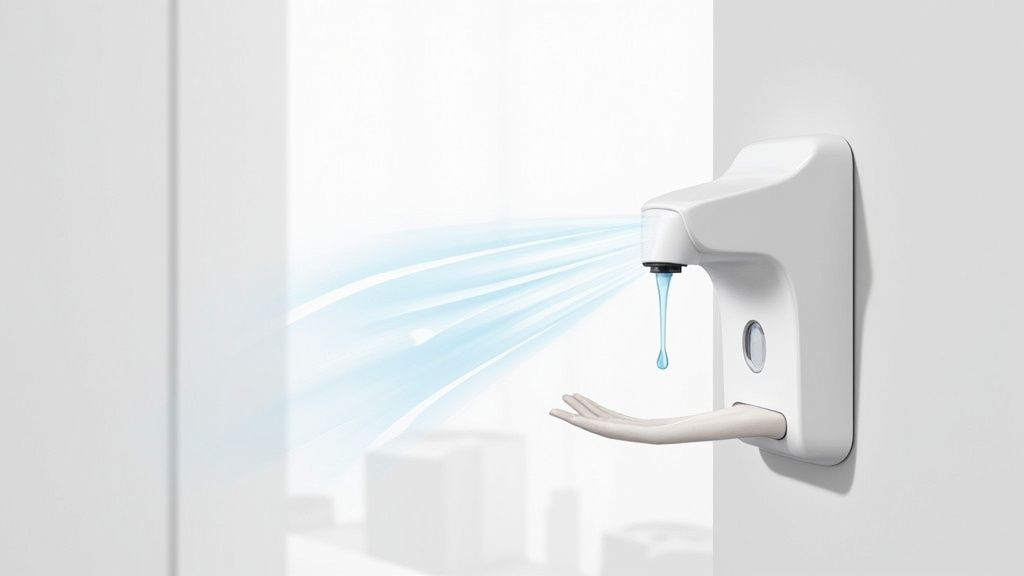
- Provide Hand Sanitizer: Install accessible hand sanitizing stations, especially at entrances, exits, and in common areas. Touchless automatic hand sanitizer dispensers are ideal as they eliminate a high-touch point. A hand sanitizer on a stand is a versatile option for open spaces.
- Encourage Hand Washing: Post signage in restrooms and food prep areas reminding staff and visitors to wash their hands with soap and water for at least 20 seconds.
Who Should Be Concerned

While everyone benefits from a cleaner environment, certain roles carry a greater responsibility for controlling the spread of S. aureus:
- Janitorial and Custodial Staff: They are the front line of defense. Proper training on disinfectant use, dwell times, and identifying high-risk areas is essential.
- Facility Managers and Business Owners: They are responsible for implementing hygiene protocols, sourcing effective cleaning products, and ensuring staff are adequately trained. Their commitment sets the standard for the entire organization.
- Gym Operators: The combination of sweat, skin contact, and shared surfaces makes fitness centers a hotspot. Diligent equipment disinfection between uses is non-negotiable.
- Healthcare Providers: In clinical settings, the stakes are highest. Strict adherence to infection control protocols is crucial to protect vulnerable patients.
Practical Takeaway:
The key to controlling Staphylococcus aureus is consistency. It's not about a one-time deep clean but about integrating routine, targeted disinfection of high-touch surfaces into daily operations. Pair this with a robust hand hygiene program to significantly reduce the risk of transmission and ensure a safer environment for everyone who walks through your doors. To learn more about this market, you can review the full market report.
Leave a Reply