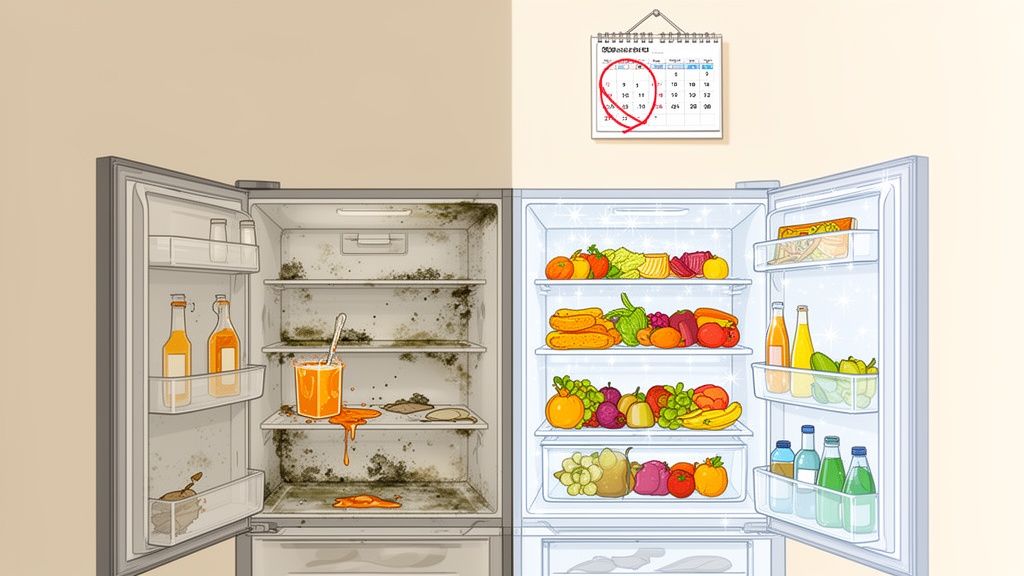
Pseudomonas aeruginosa is a formidable, opportunistic bacterium that poses a significant health risk, particularly in commercial and high-traffic facilities. Known for its remarkable resilience and ability to thrive in diverse environments, it is a primary concern for facility managers, janitorial staff, and healthcare providers dedicated to maintaining a safe and hygienic space. Understanding its characteristics, common locations, and effective control measures is the first step in preventing its spread.
Definition and Overview of Pseudomonas Aeruginosa
Pseudomonas aeruginosa is a common, rod-shaped, gram-negative bacterium. One of its most notable traits is its ability to produce a distinctive blue-green pigment called pyocyanin, which can sometimes be visible in heavy contaminations. It is an incredibly adaptable microorganism, capable of surviving with minimal nutrients and forming protective biofilms. These slimy, matrix-like communities allow the bacteria to adhere strongly to surfaces and protect themselves from disinfectants, making them notoriously difficult to eradicate. This biofilm-forming capability is a key reason why persistent cleaning is essential.
Where It’s Commonly Found
Pseudomonas aeruginosa is ubiquitous in nature, commonly found in soil, water, and on plants. However, it flourishes in moist environments, making it a frequent contaminant in man-made settings. Key high-risk areas in commercial and public facilities include:
- Hospitals and Healthcare Facilities: It is a major cause of hospital-acquired infections (HAIs), found in sinks, drains, toilets, respiratory equipment, and catheters.
- Gyms and Fitness Centers: Locker rooms, showers, steam rooms, and pools provide the ideal damp conditions for P. aeruginosa to grow on floors and fixtures.
- Food Service Areas: Drains, faucets, and persistently damp cleaning tools like mops and sponges can harbor the bacteria, posing a cross-contamination risk.
- Office Buildings and Schools: Water fountains, bathroom sinks, and HVAC systems can become breeding grounds if not properly maintained.
Any surface that is frequently wet or located in a high-humidity area is a potential reservoir for this bacterium.
Health Risks Associated with Pseudomonas Aeruginosa
For healthy individuals, exposure to P. aeruginosa rarely causes serious illness. However, for those with weakened immune systems, chronic illnesses, or open wounds, it can be a dangerous pathogen. Transmission typically occurs through contact with contaminated water or surfaces.
The health risks include:
- Severe Infections: It can cause a range of infections, including pneumonia (especially in ventilated patients), urinary tract infections (UTIs), surgical site infections, and skin infections in burn victims.
- Antibiotic Resistance: P. aeruginosa is known for its intrinsic and acquired resistance to many antibiotics, making infections difficult to treat. Some strains are multidrug-resistant.
- Ear and Eye Infections: "Swimmer's ear" is often caused by this bacterium, as are serious eye infections, particularly among contact lens wearers who do not follow proper hygiene protocols.
How to Kill or Control It
Controlling P. aeruginosa hinges on disrupting the moist environments it loves and implementing a rigorous cleaning and disinfection protocol. Simply wiping a surface is not enough, especially once biofilms have formed.
- Cleaning and Disinfection: First, clean the surface thoroughly with a detergent-based cleaner to remove physical soil and organic matter. This step helps break down the biofilm's protective layer.
- Use an EPA-Registered Disinfectant: Select a disinfectant that is proven effective against Pseudomonas aeruginosa.
- Respect the Dwell Time: This is the most critical step. The disinfectant must remain wet on the surface for the entire contact time specified on the product label (often several minutes). If it dries too quickly, the bacteria may not be killed.
- Focus on Hotspots: Pay extra attention to drains, faucets, shower heads, and any other area where water is present. Regular, targeted disinfection of these areas is crucial.
Who Should Be Concerned
While everyone should practice good hygiene, certain professionals must be particularly vigilant about controlling P. aeruginosa:
- Healthcare Providers and Janitorial Staff: Preventing HAIs is a top priority. Strict adherence to cleaning protocols in patient rooms, surgical suites, and common areas is non-negotiable.
- Gym and Spa Operators: The health and safety of members depend on maintaining clean, disinfected showers, pools, and equipment to prevent skin and ear infections.
- Food Service Managers: Preventing cross-contamination from environmental sources like drains and sinks is essential for food safety.
- Commercial Facility Managers: Ensuring a healthy environment for employees and visitors includes managing moisture and implementing effective cleaning schedules for restrooms and breakrooms.
By understanding the threat posed by Pseudomonas aeruginosa and adopting a proactive, detail-oriented approach to cleaning, you can significantly reduce the risk of transmission and maintain a safer facility for everyone.
Leave a Reply