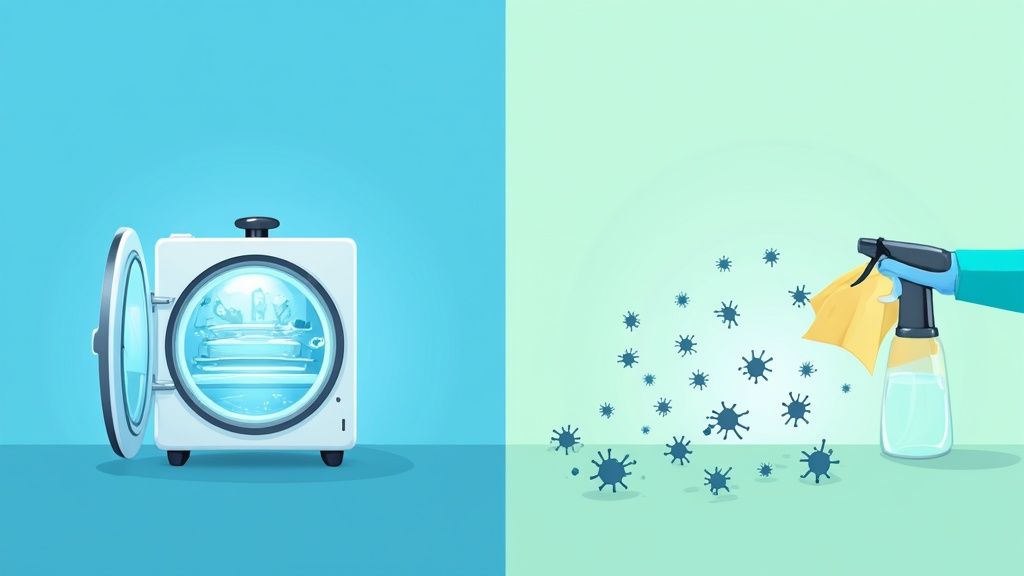
What is Pseudomonas Aeruginosa?
Pseudomonas aeruginosa is a highly adaptable and opportunistic bacterium known for its resilience in various environments. Classified as a Gram-negative, rod-shaped bacterium, it is notorious for its ability to form protective biofilms, making it particularly difficult to eliminate from surfaces. One of its most notable traits is its intrinsic resistance to many antibiotics and chemical disinfectants, posing a significant challenge in both healthcare and commercial settings. It can thrive in moist conditions and is a common cause of healthcare-associated infections (HAIs).
Where is Pseudomonas Aeruginosa Commonly Found?
This bacterium is a master of survival and can be found in a wide range of environments, especially those that are damp or wet. Facility managers, janitorial staff, and business owners should be particularly vigilant in areas such as:
- Hospitals and Healthcare Facilities: Commonly found in sinks, toilets, catheters, and respiratory equipment. It poses a high risk to patients with weakened immune systems.
- Gyms and Spas: Thrives in locker rooms, showers, hot tubs, and on exercise equipment where moisture and sweat are present.
- Food Service Areas: Can contaminate drains, faucets, and cleaning tools like mops and sponges, creating a risk for cross-contamination.
- Commercial Buildings: Often present in plumbing systems, HVAC units, and decorative fountains.
Its ability to form biofilms allows it to cling tenaciously to surfaces like stainless steel, plastic, and glass, making routine cleaning insufficient for removal.
Health Risks Associated with Pseudomonas Aeruginosa
P. aeruginosa is an opportunistic pathogen, meaning it primarily causes infections in individuals with compromised immune systems, pre-existing health conditions, or those with medical devices like ventilators or catheters. For healthy individuals, the risk is lower, but it can still cause skin rashes or ear infections (e.g., "swimmer's ear").
In vulnerable populations, the health risks are severe and can include:
- Pneumonia: A common and serious infection in hospital patients, especially those on ventilators.
- Surgical Site Infections: Can contaminate wounds after surgery, leading to complications.
- Bloodstream Infections (Sepsis): A life-threatening condition that can occur if the bacteria enter the bloodstream.
- Antibiotic Resistance: Many strains are resistant to multiple antibiotics, making infections difficult and expensive to treat.
Transmission typically occurs through contact with contaminated surfaces, water, or medical equipment.
How to Kill or Control Pseudomonas Aeruginosa
Eradicating P. aeruginosa requires a diligent and precise cleaning protocol, as its biofilm-forming nature protects it from standard cleaning agents. The key is to use an effective disinfectant and adhere strictly to proper techniques.
Effective Cleaning Practices:
- Pre-Cleaning: Always begin by physically cleaning the surface to remove dirt, grime, and organic matter. This step is crucial because biofilms can shield the bacteria from disinfectants.
- Use an EPA-Registered Disinfectant: Select a disinfectant proven effective against Pseudomonas aeruginosa. Disinfectant wipes formulated for healthcare or commercial use are often ideal for high-touch surfaces. Check the product label for an EPA registration number and a specific claim against this bacterium.
- Adhere to Dwell Time: Dwell time is the most critical factor. This is the period the surface must remain visibly wet for the disinfectant to kill the pathogen. For P. aeruginosa, this can range from 3 to 10 minutes depending on the product. If the surface dries before the required dwell time is met, reapply the disinfectant.
- Proper Technique: Use a systematic wiping pattern (e.g., from clean to dirty) to avoid re-contaminating surfaces. Use fresh wipes for different areas to prevent cross-contamination.
Who Should Be Concerned?
While everyone should be aware of hygiene, certain professionals must be particularly proactive in controlling P. aeruginosa:
- Healthcare Providers & Janitorial Staff: Frontline defense in preventing HAIs. Strict adherence to cleaning protocols for patient rooms, medical devices, and common areas is non-negotiable.
- Gym and Spa Operators: Responsible for member safety. Regular disinfection of showers, locker rooms, and equipment is essential to prevent skin and ear infections.
- Food Service Managers: Must prevent contamination in kitchens and dining areas. Proper cleaning of drains, sinks, and food-prep surfaces is critical.
- Business Owners and Facility Managers: Have a duty to provide a safe environment for employees and customers. Implementing and enforcing effective cleaning standards is a core responsibility.
Practical Takeaway: To effectively combat Pseudomonas aeruginosa, move beyond simple cleaning. Implement a two-step process: first, physically clean the surface to remove soil and biofilms, then apply an EPA-registered disinfectant, ensuring you strictly follow the manufacturer's required dwell time. This methodical approach is your best defense against this resilient pathogen.
Leave a Reply