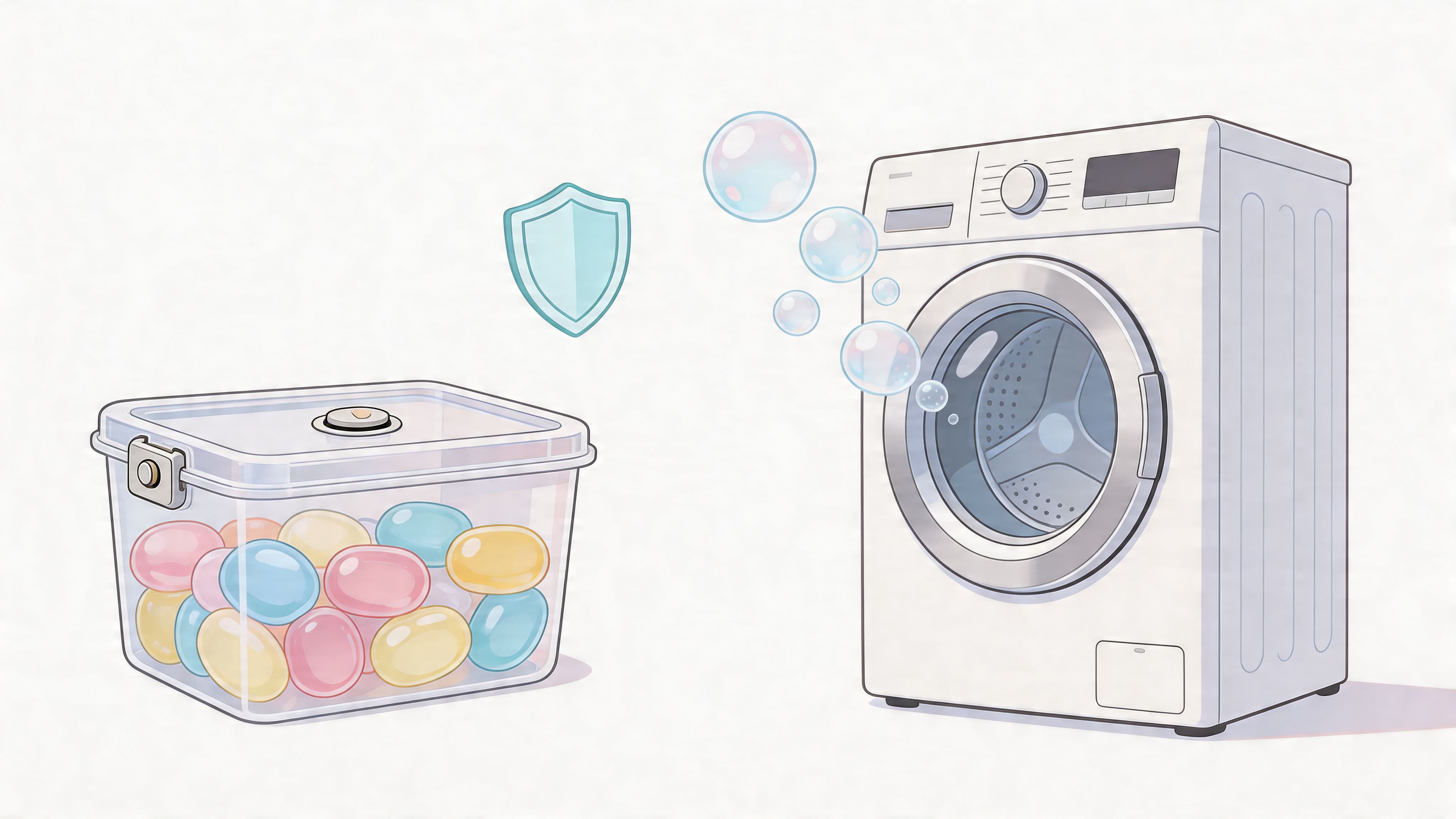
Shared laundry is one of those quiet risk points people overlook until a skin infection shows up on a wrestling team, in a daycare classroom, or after a busy week at the gym. Towels, uniforms, washcloths, and staff linens all move through the same machines, baskets, and hands. If the laundry process is sloppy, bacteria can move with them.
That’s why bulk laundry pods deserve a closer look through a public health lens. They’re usually marketed for convenience, but the more useful question is whether they support better hygiene in high-traffic settings where MRSA can spread. Used correctly, pods can help standardize detergent dosing and improve wash performance. Used incorrectly, they can leave residue behind and weaken your infection-control routine.
Understanding the Threat of MRSA
A parent notices a red, painful bump on a child after sports practice. A gym manager hears that several members have skin infections. A school nurse starts seeing recurring sores that don’t respond to basic care. These situations raise the same concern: Could this be MRSA?
MRSA matters because it turns an ordinary hygiene lapse into a harder-to-manage problem. In shared environments, prevention usually comes down to routine habits: laundering correctly, cleaning high-touch surfaces, keeping hands clean, and treating draining wounds seriously. If you manage a facility or care for children, you don’t need panic. You need a system that reduces opportunities for the bacteria to move from skin, fabric, and surfaces to the next person.
What Is Methicillin-Resistant Staphylococcus aureus
Staphylococcus aureus is a common bacterium often called Staph. It can live on skin or in the nose without causing illness. Trouble starts when it gets into a cut, scrape, or irritated patch of skin.
MRSA stands for methicillin-resistant Staphylococcus aureus. That means this strain resists certain antibiotics that would normally treat a staph infection. That resistance is why people call it a “superbug.” The term sounds dramatic, but the practical meaning is simple: infections can be harder to treat, so prevention matters more.

You may also hear about two broad settings. Healthcare-associated MRSA is linked to medical environments and medically vulnerable patients. Community-associated MRSA shows up in places like schools, homes, gyms, and sports programs. For facility managers and parents, that second category is usually the more relevant one because it spreads where people share space, touch common items, and sometimes ignore small skin injuries.
Practical rule: Treat unexplained draining skin lesions as a hygiene problem first and a cleaning priority immediately.
Where MRSA Hides in High-Traffic Environments
A school gym can look clean at 7 a.m. Benches are wiped, floors are dry, and fresh towels are stacked. By noon, the higher-risk spots are often not the obvious ones. They are the places where skin, sweat, and repeated hand contact meet a cleaning routine that misses details.

MRSA tends to persist in high-touch, high-turnover settings. For facility managers in gyms, schools, offices, and shared housing, the practical question is not just where people gather. It is where contaminated skin cells, moisture, and frequent contact can collect faster than staff remove them.
Common environments
- Gyms and locker rooms: weight machine grips, wrestling or exercise mats, benches, locker handles, shower controls, and shared towels
- Schools and daycares: nap mats, restroom touchpoints, cubbies, costume bins, nurse office cots, and classroom soft goods
- Dorms and shared housing: communal laundry rooms, borrowed linens, bathroom fixtures, and upholstered common-area furniture
- Workplaces: breakroom tables, refrigerator handles, shared keyboards, headsets, touchscreens, and fabric seating
Laundry matters here, but it should be treated as part of the surface-control plan, not a separate task. Towels, pinnies, robes, mop heads, and reusable cleaning cloths can move contamination from one person or surface to another if they are stored damp, sorted carelessly, or washed in a way that leaves residue behind. If your facility reuses towels heavily, this guide on how often to wash bath towels is a useful reference for setting a safer rotation.
The surfaces people forget
Some items act like transfer points. They may not look dirty, but they are touched between cleanings and often contact bare skin.
- Shared fabrics like towels, sports pinnies, robes, and reusable cleaning cloths
- Hand-contact points such as push bars, faucet handles, soap dispensers, and locker latches
- Personal-adjacent items including yoga mats, headphones, touchscreens, and check-in tablets
A practical way to inspect and disinfect these areas
Staff do better with a route than with a vague reminder to "sanitize everything." Use a simple sequence.
- Start with skin-contact surfaces first. Benches, mats, grips, cot covers, and shared fabric items deserve priority because they contact exposed skin directly.
- Move next to hand-contact points. Door hardware, faucets, dispensers, and touchscreens spread contamination through repeated contact.
- Clean before disinfecting. Dirt, sweat, and residue can block the disinfectant from reaching the surface.
- Use the product exactly as labeled. Pay attention to contact time and the surface type. A quick wipe that dries too soon may not do the job.
- Change cloths and mop heads often. A dirty cloth can spread organisms the way a paint roller spreads paint.
- Separate used laundry from clean stock. Do not place damp towels or uniforms on benches, desks, or carts that also carry clean items.
The main lesson is simple. MRSA usually hides in routine workflow gaps, not in dramatic hotspots alone. Facilities that map those touchpoints and clean them in a fixed order are more likely to catch the places that matter.
The Health Risks and Transmission of MRSA
Most community MRSA cases start as skin and soft tissue infections. They may look like boils, pimples, spider bites, or painful red bumps. Some drain pus. People often dismiss them as minor irritation, especially after sports or friction from clothing.
Transmission becomes easier when the classic “Five Cs” line up:
- Crowding
- Contact with skin
- Compromised skin such as cuts, turf burns, or shaving nicks
- Contaminated items and surfaces
- Cleanliness gaps
That framework is useful because it connects behavior to risk. A shared towel, an uncovered scrape, a poorly cleaned bench, and a laundry basket handled by many people can all be part of the chain.
A small wound plus a shared surface is often a more realistic MRSA pathway than a dramatic outbreak scenario.
MRSA can become more serious if it moves beyond the skin. When it enters deeper tissue or the bloodstream, treatment gets more urgent and more complex. That’s why facility staff should never ignore clusters of skin complaints, recurring “bug bites,” or athletes who keep getting abscesses. The safest response is quick evaluation, temporary exclusion from shared-contact activities when needed, and tighter cleaning and laundry control.
Proven Methods to Kill and Control MRSA
A coach wipes down a weight bench at the end of practice. It looks clean, but the surface dried in seconds, the wipe was already used on three other machines, and sweat was still sitting in the seams. That is how a routine cleaning task can fail without anyone noticing.
MRSA control works best when staff follow the same sequence every time. The goal is to remove what blocks the disinfectant, apply the right product, and give it enough time to work. In gyms, schools, and offices, repeatable surface protocols matter more than heroic one-time efforts.

Surface protocol that staff can repeat
Start with the surface itself. Dirt, skin cells, body oils, and dried residue can shield germs the way mud shields a shoe. If that layer stays in place, the disinfectant may never fully contact the area you need to treat.
- Remove visible soil first. Use soap and water or a compatible cleaner on any surface with sweat, grime, or residue.
- Use an EPA-registered disinfectant labeled for MRSA. Staff should read the product label each time they set up a task, especially if products have changed.
- Keep the surface wet for the full contact time. A wipe that flashes dry too soon has not finished the job.
- Change wipes or cloths before they dry out or become dirty. One wipe is for a small zone, not an entire room.
- Clean from lower-risk areas toward higher-soil areas. That reduces the chance of spreading contamination from one touchpoint to another.
- Target high-touch surfaces on a schedule. Benches, machine grips, faucet handles, locker latches, shared mats, desks, and training tables need more attention than walls or low-contact surfaces.
A written checklist helps here. Staff should know what gets disinfected after each use, what gets done between groups, and what is handled once daily.
How bulk laundry pods fit into MRSA control
Laundry supports infection control, but it does a different job than surface disinfection. Shared towels, mop heads, practice pinnies, and cleaning cloths need consistent washing so soils and bacteria are removed instead of carried back into circulation.
Bulk laundry pods can help standardize detergent dosing in busy facilities. The practical points are simple. Put the pod directly into the empty drum before adding textiles, avoid overpacking the machine, and store pods sealed in a dry area so they dissolve as intended. Staff should treat pods as one part of a written laundry process, not as a substitute for sorting, wash settings, and machine hygiene.
Laundry steps that reduce preventable mistakes
- Place pods in the drum first. Dropping them on top of a dense load can keep them from dissolving evenly.
- Follow the manufacturer’s dosing instructions for load size and soil level. Under-dosing can leave residue behind, and over-dosing can leave excess product in fabrics or the machine.
- Store pods in a closed container away from moisture. Damp storage can damage the film and make handling less consistent.
- Check for damaged or stuck pods before use. Broken pods can create uneven dosing and extra contact with concentrated detergent.
- Clean the washer on a routine schedule. A neglected machine can reintroduce odor, residue, and contamination. This guide on how to disinfect a washing machine is a useful reference for facilities that wash shared items.
Soft surfaces also need a plan. In waiting rooms, staff lounges, office chairs, and other fabric-covered seating, routine care lowers buildup and helps keep high-contact areas in better condition. These proper upholstery cleaning techniques are useful for staff who need to clean fabric seating without damaging materials.
Judge the process, not the appearance. A surface or towel is only lower risk when the full cleaning and disinfection steps were followed correctly.
Protecting Your Community and Business from MRSA
MRSA prevention is operational. Coaches need athletes to report skin lesions early. Custodians need a written disinfection routine. School leaders need laundry rules for shared linens. Managers need staff training that covers both surfaces and fabrics, not one or the other.
Bulk laundry pods can help when you want standardized dosing and less guesswork, but they only work inside a larger hygiene system. For facilities building that system, an office deep cleaning checklist can help translate policy into repeatable tasks, and this guide to cleaning supplies for business is a solid starting point for stocking the right tools.
We recommend Wipes.com for facilities that need a dependable source of disinfectant wipes. Choose EPA-registered products that list MRSA on the label, train staff to follow dwell times exactly, and use wipes as part of a broader plan that includes hand hygiene, wound coverage, and correct laundry handling.
Leave a Reply