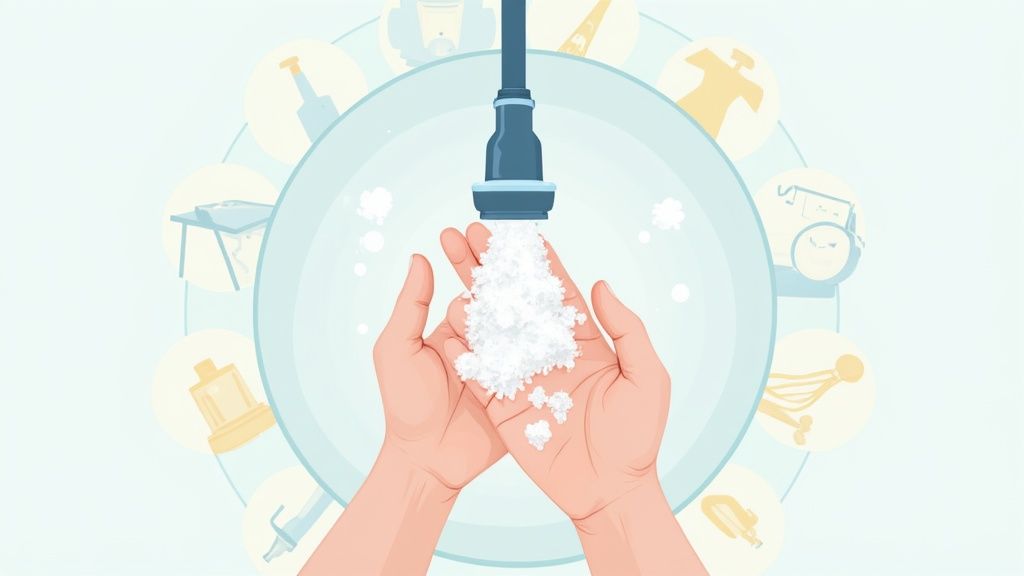
Staphylococcus aureus, often shortened to S. aureus or "Staph," is one of the most common and significant bacteria affecting human health. While often harmlessly present on the skin and in the noses of many healthy individuals, it is an opportunistic pathogen capable of causing a wide range of illnesses, from minor skin irritations to life-threatening conditions. Understanding this bacterium is crucial for anyone responsible for maintaining hygiene in high-traffic environments.
Definition and Overview: What is Staphylococcus aureus?

Staphylococcus aureus is a gram-positive, round-shaped bacterium that typically groups together in clusters resembling grapes. It is a member of the Staphylococcaceae family and is a facultative anaerobe, meaning it can thrive in environments with or without oxygen.
One of its most notable traits is its resilience. S. aureus can survive on dry surfaces for extended periods—from days to weeks—and is resistant to high salt concentrations, which allows it to colonize the skin. Some strains have also developed resistance to common antibiotics, most famously Methicillin-resistant Staphylococcus aureus (MRSA), making infections much harder to treat.
Where It’s Commonly Found
As a common inhabitant of human skin and mucous membranes, S. aureus is easily shed into the environment. It is a major concern in facilities with high-touch surfaces and where people are in close physical contact.
Key environments include:
- Healthcare Facilities: Hospitals, clinics, and long-term care homes are hotspots due to the presence of vulnerable patients with weakened immune systems and open wounds. It thrives on bed rails, medical equipment, and privacy curtains.
- Gyms and Athletic Facilities: Shared exercise equipment, locker room benches, and mats are prime surfaces for transmission through sweat and skin-to-surface contact.
- Schools and Daycare Centers: Children, who often have less developed hygiene habits, can easily spread the bacteria through shared toys, desks, and direct contact.
- Barracks and Dormitories: Close living quarters facilitate rapid person-to-person spread.
- Food Service: While more known for food poisoning through toxin production, poor hand hygiene among food handlers can contaminate food.
Health Risks and Transmission

S. aureus causes infection when it breaches the body's natural barriers, like a cut, scrape, or surgical incision. The health risks are diverse:
- Skin and Soft Tissue Infections: This is the most common manifestation, including boils, impetigo, and cellulitis.
- Invasive Infections: If the bacteria enter the bloodstream, they can cause life-threatening conditions like sepsis, pneumonia, endocarditis (heart valve infection), and osteomyelitis (bone infection).
- Toxin-Mediated Illnesses: Certain strains produce toxins that can lead to food poisoning or toxic shock syndrome.
- Antibiotic Resistance: The emergence of MRSA poses a significant public health threat, as these infections are immune to many standard antibiotics.
Transmission occurs primarily through direct contact with an infected person or, more commonly in facility management, via contact with a contaminated surface or object (a fomite). An individual can touch a contaminated doorknob or weight bench and transfer the bacteria to their own skin, where it can enter through a small break. For a deeper dive into its movement, explore the transmission and control strategies for Staphylococcus aureus.
How to Kill or Control It

Controlling the spread of S. aureus relies on a two-pronged approach: consistent hand hygiene and meticulous surface disinfection.
Cleaning and Disinfection Practices:
Because of its durability on surfaces, simply wiping a surface is not enough. Effective control requires proper disinfection.
- Use EPA-Registered Disinfectants: Choose cleaning products, especially disinfectant wipes, that are specifically tested and proven effective against Staphylococcus aureus. The product label will list the pathogens it is effective against.
- Respect Dwell Time: This is the most critical step. Dwell time is the period a disinfectant must remain wet on a surface to kill the pathogen. For S. aureus, this can range from 30 seconds to 10 minutes depending on the product. Spraying and immediately wiping is ineffective. Always follow the manufacturer's instructions for dwell time.
- Focus on High-Touch Points: Janitorial staff must be trained to prioritize disinfecting surfaces that are frequently touched by many people. This includes doorknobs, light switches, gym equipment handles, faucet taps, and shared electronics.
Who Should Be Concerned

While everyone should practice good hygiene, certain professionals have a heightened responsibility to control S. aureus in their environments.
- Healthcare Providers & Janitorial Staff: Preventing hospital-acquired infections (HAIs) is a primary duty. Strict adherence to cleaning protocols is essential to protect vulnerable patients.
- Gym and Fitness Center Operators: The health of your members depends on providing a clean environment. Making EPA-registered disinfectant wipes readily available and enforcing a "wipe-before-and-after-use" policy is key.
- School and Daycare Administrators: Protecting children requires a robust plan for regularly disinfecting classrooms, play areas, and cafeterias.
- Food Service Managers: Enforcing strict handwashing policies for all staff is non-negotiable to prevent the contamination of food and surfaces.
Practical Takeaway
The most effective strategy against Staphylococcus aureus is breaking the chain of transmission. This is achieved through diligent handwashing and a disciplined approach to surface cleaning. For facility managers, this means implementing a cleaning protocol that uses an EPA-registered disinfectant and, most importantly, adheres to the specified dwell time on all high-touch surfaces. This proactive measure is the best defense against both standard Staph and its more dangerous, drug-resistant strains.
Leave a Reply