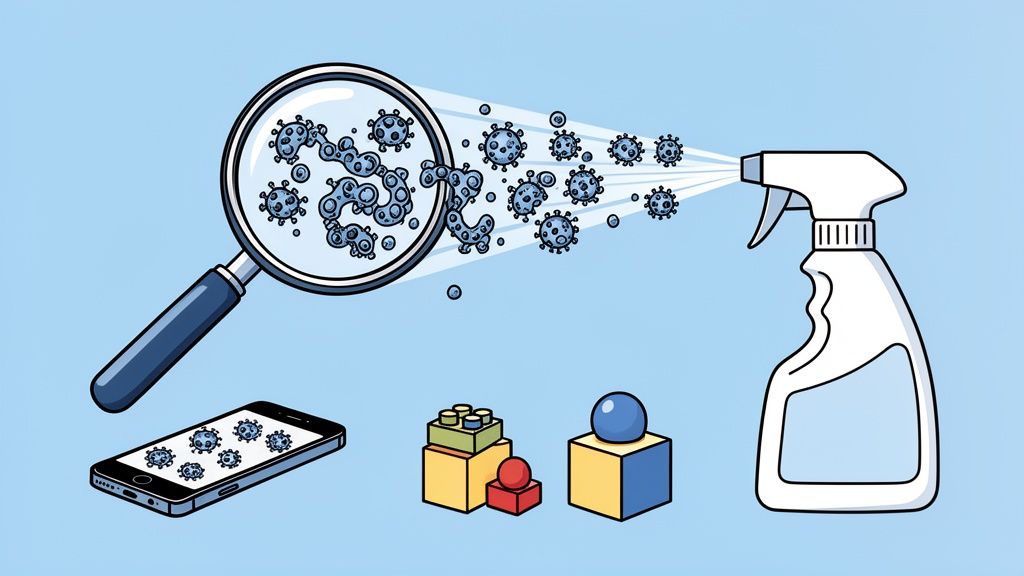
When a case of strep throat is diagnosed, the immediate focus is on the sore throat, fever, and antibiotics. But for facility managers, business owners, and janitorial staff, a more critical question arises: how long does the strep bacteria live on surfaces? The answer is crucial for preventing outbreaks in schools, gyms, and offices. The bacterium, Streptococcus pyogenes, can survive on doorknobs, toys, and countertops for days, weeks, or even months, turning everyday objects into transmission hotspots.
Definition and Overview: Understanding Streptococcus pyogenes
Streptococcus pyogenes, also known as Group A Streptococcus (GAS), is a Gram-positive bacterium known for its ability to cause a wide range of human infections. While it is most famous for causing streptococcal pharyngitis (strep throat), it is a versatile and formidable pathogen. A notable trait of S. pyogenes is its capacity to produce toxins and enzymes that help it spread through tissues and evade the immune system. This makes it the culprit behind not just strep throat, but also more severe conditions like scarlet fever, impetigo (a contagious skin infection), and necrotizing fasciitis, a rare but life-threatening "flesh-eating disease." Its resilience on inanimate surfaces makes it a significant concern in public health and facility management.

Where It’s Commonly Found
Streptococcus pyogenes thrives in environments with high human traffic and frequent physical contact. Its ability to survive on dry surfaces makes it a persistent threat long after an infected individual has left the area.
Key environments where S. pyogenes is frequently found include:
- Schools and Daycare Centers: These are prime locations for outbreaks. Shared toys, desks, art supplies, and water fountains become reservoirs for the bacteria. A study by the University at Buffalo found that S. pyogenes can form robust biofilms on toys and cribs, allowing it to persist for extended periods. You can read more about these important daycare findings.
- Gyms and Fitness Centers: The combination of sweat, high-touch equipment, and hundreds of users creates a perfect storm for transmission. Dumbbell handles, yoga mats, cardio machine controls, and locker room benches are all high-risk surfaces.
- Healthcare Facilities: While hygiene standards are high, clinics, waiting rooms, and hospitals are inherently high-risk areas due to the concentration of sick individuals.
- Offices and Commercial Spaces: Shared keyboards, breakroom appliances (like coffee pot handles and microwaves), conference tables, and elevator buttons are common touchpoints that can facilitate the spread of strep among employees.

Health Risks and Transmission
Streptococcus pyogenes poses a significant health risk, primarily through two transmission methods. The first is direct person-to-person spread via respiratory droplets from coughing or sneezing. The second, and often overlooked, method is indirect contact with contaminated surfaces, also known as fomites.
When an infected person touches a doorknob or a keyboard, they can leave behind viable bacteria. Research from Boston University notes that S. pyogenes can survive on inanimate objects from days to over six months under the right conditions, particularly in dry environments. You can see the specifics on BU's research site. This long survival time creates a persistent risk, as an uninfected person can touch the same surface hours or days later and transfer the bacteria to their own mouth, nose, or eyes, leading to infection. This is how a single case of strep can quickly evolve into a widespread outbreak in a shared environment. Understanding how bacteria cause disease highlights the critical importance of surface hygiene. One study even documented prolonged bacterial persistence in this study, reinforcing the need for diligent cleaning protocols.
How to Kill or Control It
Effective control of Streptococcus pyogenes hinges on a robust cleaning and disinfection protocol. Simply wiping a surface is not enough; a two-step process is required for true sanitation.
- Cleaning: First, clean the surface with soap and water or a general-purpose cleaner. This step physically removes dirt, debris, and organic matter that can shield bacteria from disinfectants.
- Disinfecting: After cleaning, apply an EPA-registered disinfectant. It is critical to select a product with a specific claim against Streptococcus pyogenes or Group A Streptococcus. This ensures the chemical is proven effective against the target pathogen.

A crucial element of disinfection is dwell time—the amount of time a disinfectant must remain wet on a surface to kill the specified pathogens. This can range from 30 seconds to 10 minutes. Wiping the disinfectant away too soon will render it ineffective. Always follow the manufacturer's instructions on the product label. For porous surfaces like curtains or upholstery, hot water washing or specialized methods like steam cleaning methods for sanitizing surfaces may be necessary. For a comprehensive overview, see our guide on how to disinfect surfaces.
Who Should Be Concerned
While anyone can be affected by strep, certain professionals have a heightened responsibility to manage the risk in their environments.
- Janitorial Staff and Facility Managers: These individuals are on the front lines of defense. They must be trained on the difference between cleaning and disinfecting, the importance of dwell times, and how to identify high-touch surfaces that require frequent attention.
- School Administrators and Daycare Operators: Protecting children is a top priority. These leaders must implement and enforce strict hygiene protocols for toys, classroom surfaces, and common areas to prevent outbreaks.
- Gym Owners and Operators: The health of members depends on maintaining a clean facility. Regular disinfection of weight equipment, cardio machines, and locker rooms is essential to reduce the spread of S. pyogenes and other pathogens.
- Business Owners and Office Managers: Ensuring a healthy workplace reduces absenteeism and promotes employee well-being. A clear disinfection plan for shared spaces like breakrooms, conference rooms, and hot-desking areas is a key part of modern office management.
The takeaway is clear: Streptococcus pyogenes is a resilient bacterium that makes surface hygiene a non-negotiable priority in any shared space. By implementing a consistent, evidence-based cleaning and disinfection strategy focused on high-touch surfaces, you can significantly reduce the risk of transmission and maintain a safer, healthier environment for everyone.
For reliable, professional-grade disinfecting wipes designed for high-traffic environments, we recommend the products available at Wipes.com. Their solutions provide an effective and convenient way to ensure your surfaces are properly sanitized and safe.
Leave a Reply