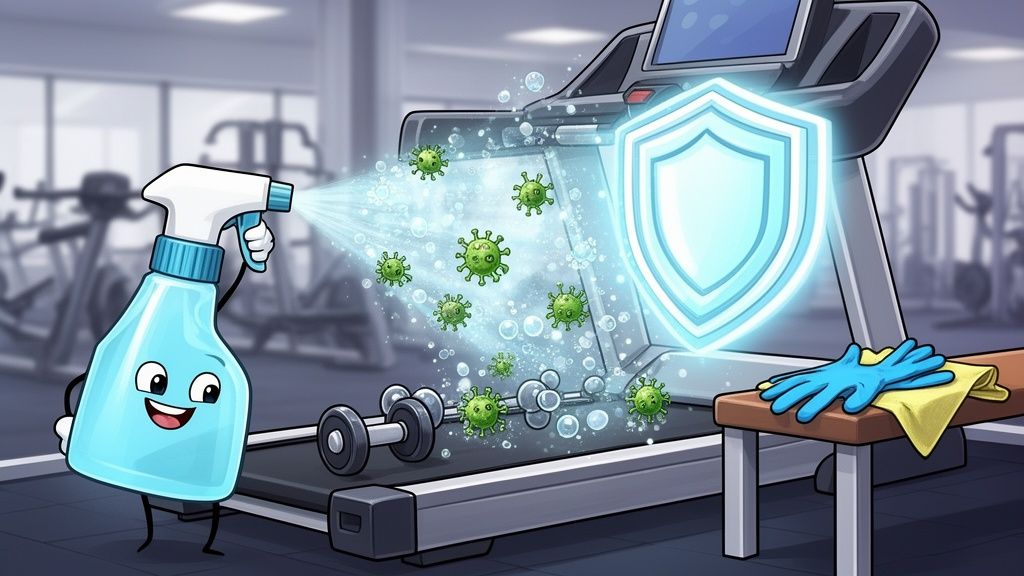
When you think of gym hygiene, sweat and grime might come to mind. But lurking on shared surfaces is a microscopic threat that deserves far more attention: Staphylococcus aureus. Commonly known as Staph, this bacterium is a frequent, and potentially dangerous, resident in high-traffic environments like fitness centers. Understanding what it is, where it thrives, and how to eliminate it is crucial for anyone responsible for maintaining a safe and healthy space.
Definition and Overview: What is Staphylococcus aureus?
Staphylococcus aureus is a gram-positive bacterium that is a common inhabitant of the skin and nasal passages of about 30% of healthy people. It's often harmless, but when it breaches the body's defenses—through a cut, scrape, or abrasion—it can cause a range of infections, from minor skin irritations to life-threatening conditions.
A notable trait of S. aureus is its hardiness. It can survive on dry, inanimate surfaces for days, weeks, or even months, making it a persistent challenge in any shared environment. This resilience is what makes it a primary target for any serious cleaning protocol. Some strains have also developed resistance to common antibiotics, such as Methicillin-resistant Staphylococcus aureus (MRSA), making prevention through disinfection even more critical.
Where It’s Commonly Found: A Hotspot for Staph
S. aureus thrives in places where people are in close contact and share equipment. This makes certain industries and environments prime breeding grounds:
- Gyms and Fitness Centers: This is a major hotspot. S. aureus is frequently found on dumbbell grips, weight benches, yoga mats, and the handles of cardio machines. The combination of sweat, warmth, and high-touch surfaces creates a perfect environment for it to spread.
- Hospitals and Healthcare Facilities: Staph is a well-known cause of hospital-acquired infections (HAIs), colonizing bed rails, medical equipment, and other surfaces.
- Schools and Daycares: Close contact among children and shared toys or sports equipment facilitate its transmission.
- Locker Rooms and Athletic Facilities: Shared towels, benches, and floors are common transfer points.
Essentially, any non-porous surface that is frequently touched by multiple people—from a weight plate to a doorknob—is a potential reservoir for S. aureus.
Health Risks: More Than Just a Skin Infection
While many Staph infections are minor, like pimples or boils, the bacterium's potential for harm should not be underestimated. When it enters the bloodstream or deeper tissues, the consequences can be severe.
- Skin Infections: This is the most common manifestation, causing redness, swelling, and pus-filled sores. For gym-goers, these often appear in areas subject to friction or minor abrasions.
- Invasive Infections: If Staph enters the bloodstream (bacteremia), it can lead to serious conditions like sepsis, pneumonia, or infections of the heart valves (endocarditis).
- Antibiotic Resistance: The rise of MRSA is a major public health concern. These infections are difficult to treat and can lead to more severe outcomes.
- Transmission: S. aureus is primarily spread through direct contact with an infected person or by touching a contaminated surface and then touching your own face, mouth, or an open wound.
How to Kill or Control It: The Power of Proper Disinfection
Eliminating S. aureus requires more than a simple wipe-down with a damp cloth. Effective control hinges on using the right disinfectant and following proper procedures.
The most reliable method is using EPA-registered disinfectant wipes or sprays that specifically list Staphylococcus aureus on their kill claims. This registration is your guarantee that the product has been scientifically proven to be effective against this specific bacterium.
When disinfecting, two factors are critical:
- Pre-Cleaning: Disinfectants work best on clean surfaces. First, use a cloth to remove any visible sweat, dirt, or grime. This physical barrier must be removed so the disinfectant can reach the pathogens underneath.
- Dwell Time: This is the most important—and most often ignored—step. Dwell time is the period a surface must remain visibly wet with the disinfectant to kill the pathogen. For S. aureus, this can range from 30 seconds to 10 minutes, depending on the product. If you spray and wipe immediately, you are not disinfecting effectively. Always read the product label and adhere to the specified dwell time.
Who Should Be Concerned?
While everyone should be mindful of hygiene, certain roles carry a greater responsibility for controlling the spread of S. aureus:
- Gym Operators and Managers: You are on the front lines. Providing EPA-registered disinfectant wipes and educating members on proper equipment cleaning is essential for protecting your clients and your business's reputation.
- Janitorial and Cleaning Staff: You are responsible for executing the deep cleaning protocols that eliminate bacteria. Proper training on dwell times and the use of appropriate disinfectants is non-negotiable.
- Athletic Directors and Coaches: Protecting your athletes from skin infections that can sideline them is paramount. Enforcing strict hygiene rules in weight rooms and locker rooms is key.
- Healthcare Providers: In clinical settings, meticulous disinfection is a cornerstone of infection control to prevent HAIs.
A proactive approach to cleaning and disinfecting is the best defense against Staphylococcus aureus. By understanding the risks and implementing validated cleaning practices, you can create a safer environment for everyone.
For a reliable solution that's tough on germs but safe for your gear, we recommend exploring the EPA-registered disinfectant wipes from Wipes.com. Their products are formulated to kill a broad spectrum of pathogens, including Staphylococcus aureus, while being compatible with the wide variety of surfaces found in a modern gym, keeping your space clean and healthy for everyone.
Leave a Reply