• A Guide to Pseudomonas Aeruginosa in Commercial Spaces

    Pseudomonas aeruginosa is a formidable, opportunistic bacterium that poses a significant health risk in various commercial and high-traffic environments. Known for its remarkable adaptability and resistance to many antibiotics, it thrives in moist conditions, making it a persistent challenge for facility managers, healthcare providers, and janitorial staff. Understanding this bacterium is the first step toward effective control and maintaining a safe, hygienic space.

    Definition and Overview: What is Pseudomonas Aeruginosa?

    Pseudomonas aeruginosa is a common gram-negative, rod-shaped bacterium found widely in the environment—in soil, water, and on plants. What makes it particularly noteworthy is its status as an "opportunistic pathogen." This means it typically doesn't harm healthy individuals but can cause severe infections in people with weakened immune systems, such as hospital patients, the elderly, or those with underlying health conditions like cystic fibrosis.

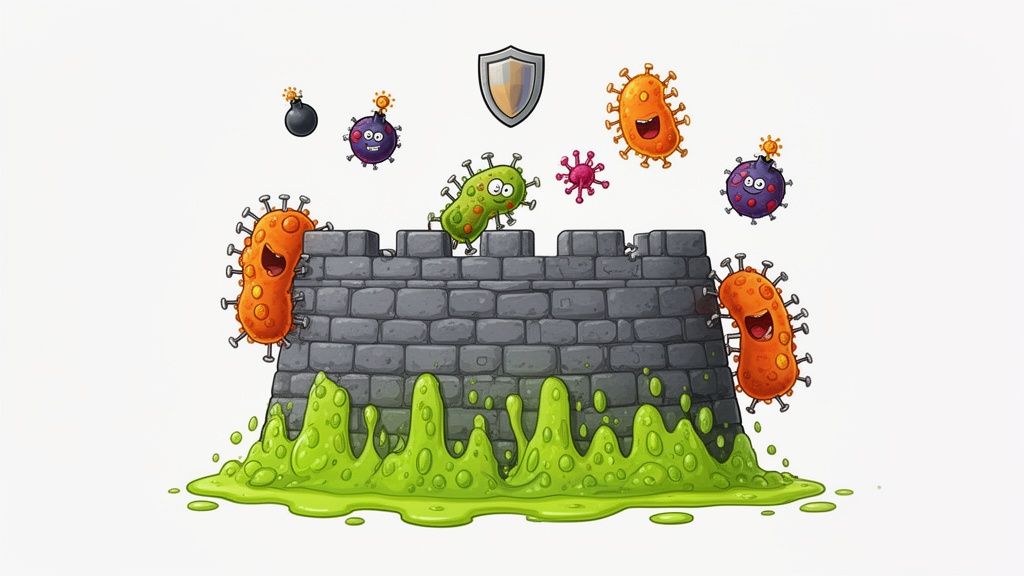
    One of its most notable traits is its ability to form biofilms—slimy, protective layers that allow colonies of bacteria to adhere to surfaces and resist disinfectants and antibiotics. This biofilm formation makes P. aeruginosa incredibly resilient and difficult to eradicate once it has established itself. It is also known for producing a characteristic grape-like or "tortilla chip" odor and sometimes a blue-green pigment, which can be a tell-tale sign of a heavy contamination.

    Where It’s Commonly Found

    Pseudomonas aeruginosa loves moisture. This preference dictates where it is most likely to be found in commercial and public settings. Any environment that is consistently damp or wet is a potential breeding ground. Facility managers and cleaning professionals should be particularly vigilant in these areas:

    • Hospitals and Healthcare Facilities: This is a primary concern in healthcare settings. It can contaminate respiratory equipment, catheters, sinks, showers, and hydrotherapy pools, leading to serious hospital-acquired infections (HAIs).
    • Gyms and Spas: Locker rooms, showers, swimming pools, and hot tubs are ideal environments for P. aeruginosa. The constant moisture and high human traffic create perfect conditions for it to spread.
    • Food Service Areas: While not a typical foodborne pathogen like Salmonella, it can contaminate sinks, floor drains, and cleaning equipment (like mops and sponges) in commercial kitchens, posing a cross-contamination risk.
    • Office Buildings and Schools: Restrooms, water fountains, and HVAC systems can harbor the bacteria if not properly maintained and cleaned.

    Any surface that remains wet for extended periods—from a leaky pipe under a sink to a perpetually damp floor mat—can become a reservoir for this pathogen.

    Health Risks and Transmission

    For the general healthy population, exposure to Pseudomonas aeruginosa might not cause any issues. However, for vulnerable individuals, the consequences can be severe. The bacterium can cause a wide range of infections, depending on the site of exposure:

    • Respiratory Infections: Inhaling contaminated water droplets can lead to pneumonia, especially in patients on ventilators.
    • Skin Infections: It can cause "hot tub rash" (folliculitis) or infections in burn wounds and surgical sites.
    • Ear Infections: "Swimmer's ear" is a common infection caused by P. aeruginosa found in contaminated pool water.
    • Bloodstream Infections (Sepsis): If the bacteria enter the bloodstream, it can lead to a life-threatening systemic infection.

    A major concern with P. aeruginosa is its intrinsic and acquired resistance to many classes of antibiotics, making infections difficult to treat. Transmission occurs through contact with contaminated water, surfaces, or medical equipment. In high-traffic environments, contaminated hands are a primary vehicle for spreading the bacteria from one surface to another.

    How to Kill or Control It

    Eradicating Pseudomonas aeruginosa requires a diligent and precise cleaning protocol, with a strong emphasis on disinfection. Because of its ability to form protective biofilms, simply wiping a surface isn't enough.

    The most effective strategy involves using an EPA-registered disinfectant proven to be effective against P. aeruginosa. Anti microbial wipes are an excellent tool for this task, as they combine the mechanical action of wiping with a chemical disinfectant.

    When using disinfectant wipes, follow these critical steps:

    1. Pre-Clean the Surface: If there is visible dirt or grime, clean it first with soap and water. This removes the physical barrier and allows the disinfectant to reach the bacteria.
    2. Use a Proven Disinfectant: Select a wipe with an active ingredient like Quaternary Ammonium Compounds (Quats), alcohol, or hydrogen peroxide. Check the product label for a specific claim against Pseudomonas aeruginosa.
    3. Respect the Dwell Time: This is the most important step. The "dwell time" or "contact time" is the amount of time the surface must remain visibly wet with the disinfectant solution to ensure all bacteria are killed. This can range from 30 seconds to 10 minutes. If the surface dries before the time is up, re-apply the wipe.
    4. Use Proper Technique: Wipe in one direction to avoid re-contaminating the surface. Use one wipe per surface area to prevent cross-contamination.

    Regular and thorough disinfection of high-risk, moist environments is the key to preventing the establishment and spread of this resilient bacterium.

    Who Should Be Concerned?

    While everyone should practice good hygiene, certain professionals need to be especially proactive in controlling Pseudomonas aeruginosa:

    • Healthcare Providers and Hospital Janitorial Staff: Preventing HAIs is a top priority. Strict adherence to disinfection protocols for medical equipment, patient rooms, and common areas is essential.
    • Gym and Fitness Center Operators: The health and safety of members depend on regular disinfection of exercise equipment, locker rooms, showers, and pool areas.
    • Food Service Managers: Maintaining clean and dry kitchen environments, particularly around sinks and drains, is crucial to prevent cross-contamination.
    • Building and Facility Managers: Ensuring proper maintenance of plumbing and HVAC systems and implementing a robust cleaning schedule for restrooms and other damp areas is vital for the well-being of occupants.

    By understanding the risks and implementing effective disinfection strategies, these professionals can significantly reduce the threat posed by Pseudomonas aeruginosa and maintain a safer environment for everyone.

    For a reliable source of high-quality disinfecting solutions tailored to your professional needs, we recommend exploring the product lines at Wipes.com.
  • MRSA in High-Traffic Areas: A Guide for Facility Managers

    Methicillin-resistant Staphylococcus aureus, better known as MRSA, is a formidable type of staph bacteria that has developed resistance to many of the antibiotics used to treat ordinary staph infections. This resistance makes it a significant public health concern, particularly in high-traffic commercial and community environments. For facility managers, business owners, and janitorial staff, understanding MRSA is the first step toward effective prevention.

    Definition and Overview of MRSA

    Staphylococcus aureus is a common bacterium found on the skin or in the noses of about one-third of the population. While often harmless, it can cause serious infections if it enters the body through a cut or wound. MRSA is a specific strain of this bacterium that has evolved to survive treatment with methicillin and related antibiotics like penicillin and amoxicillin. This "superbug" status means infections are harder to treat, potentially leading to more severe outcomes.

    Where It’s Commonly Found

    MRSA thrives in crowded settings where people are in close contact or share equipment and surfaces. This makes certain commercial environments high-risk zones for transmission. Key hotspots include:

    • Gyms and Athletic Facilities: Shared exercise equipment, locker room benches, and towels are common vectors for MRSA.
    • Schools and Daycares: Close contact among children and shared toys, desks, and supplies can facilitate its spread.
    • Healthcare Settings: Hospitals and clinics are well-known reservoirs for a type of MRSA (HA-MRSA), but the community-associated strain (CA-MRSA) is prevalent everywhere.
    • Office Buildings: High-touch surfaces like doorknobs, elevator buttons, shared keyboards, and conference room tables can harbor the bacteria.
    • Public Transit: Seats, handrails, and straps are touched by thousands of people daily, creating opportunities for transmission.

    The bacteria can survive on surfaces for hours, days, or even weeks if conditions are right, making surface disinfection a critical control measure.

    Health Risks Associated with MRSA

    MRSA infections typically start as small, red bumps on the skin that can look like pimples, spider bites, or boils. They may be swollen, painful, warm to the touch, and filled with pus. If not addressed, these skin infections can quickly become deep, painful abscesses that require surgical draining.

    The greater danger arises when the bacteria burrow deeper into the body, causing life-threatening infections in the bloodstream, lungs, bones, or heart. Because standard antibiotics are ineffective, treatment often requires more potent—and potentially more toxic—drugs. Transmission occurs primarily through direct contact with an infected person or by touching a surface contaminated with the bacteria.

    How to Kill or Control MRSA

    Controlling MRSA in a commercial facility hinges on a robust cleaning and disinfection protocol. Since the bacteria can linger on surfaces, simply wiping them down is not enough—they must be disinfected with a product proven to be effective against MRSA.

    The most critical factor is using an EPA-registered disinfectant specifically labeled as effective against Methicillin-resistant Staphylococcus aureus. When applying the disinfectant, dwell time is crucial. Dwell time is the period the surface must remain visibly wet for the chemical to kill the pathogen. This can range from 30 seconds to 10 minutes, so it is vital to read and follow the product label instructions precisely.

    For high-touch surfaces like gym equipment, doorknobs, and light switches, frequent disinfection is necessary. Using disinfectant wipes provides a convenient and effective way to ensure proper application and dwell time without the need for mixing chemicals or using spray bottles.

    Who Should Be Concerned

    While MRSA is a threat to everyone, certain roles carry a greater responsibility for its prevention:

    • Business Owners and Facility Managers: You are responsible for implementing hygiene protocols, providing the necessary supplies (like disinfectant wipes and hand sanitizer), and ensuring staff are trained in proper cleaning procedures to protect employees and visitors.
    • Janitorial and Cleaning Staff: As the frontline defense, you must understand the importance of using the right products and adhering to correct dwell times to effectively eliminate MRSA from surfaces.
    • Gym Operators: Your facility is a prime environment for MRSA. Prioritizing the disinfection of equipment between uses and promoting good member hygiene is essential.
    • School Administrators: Protecting students and staff requires a diligent focus on cleaning shared spaces, toys, and athletic equipment.

    A proactive approach to surface disinfection is the most powerful strategy for preventing MRSA outbreaks. By focusing on high-touch surfaces with EPA-approved products and educating staff, you can create a safer and healthier environment for everyone.

    For maintaining a clean and safe environment, we recommend using high-quality disinfectant products. Wipes.com offers a range of EPA-registered disinfecting wipes that are proven effective against a broad spectrum of pathogens, including MRSA, ensuring your facility remains hygienic and your patrons are protected.

  • Understanding Staphylococcus aureus: A Guide for High-Traffic Environments

    Staphylococcus aureus, often shortened to Staph, is a common bacterium that poses a significant health risk in shared spaces like gyms, schools, and healthcare facilities. While many people carry it without issue, it can cause serious infections when it enters the body through a cut or scrape. Understanding how to identify, manage, and eliminate this pathogen is crucial for anyone responsible for maintaining a safe and hygienic environment.

    Definition and Overview of Staphylococcus aureus

    Staphylococcus aureus is a gram-positive, round-shaped bacterium that is a member of the Firmicutes phylum. A notable trait of this bacterium is its ability to survive on dry surfaces for extended periods, making it a persistent threat in many environments. It is a facultative anaerobe, meaning it can thrive with or without oxygen. While commonly found on the skin and in the upper respiratory tracts of up to 30% of healthy individuals, it is an opportunistic pathogen. When it breaches the body's natural defenses, it can lead to a range of illnesses, from minor skin infections to life-threatening conditions like pneumonia and sepsis.

    Where It’s Commonly Found

    Staphylococcus aureus thrives in high-traffic, high-touch environments where it can easily transfer from person to person or from person to surface. Some of the most common hotspots include:

    • Gyms and Fitness Centers: Shared equipment like dumbbells, yoga mats, and weight machine handles are prime breeding grounds. The combination of sweat, warmth, and frequent contact creates an ideal environment for Staph to spread.
    • Healthcare Facilities: Hospitals and clinics are high-risk areas due to the presence of patients with weakened immune systems. Bed rails, medical equipment, and door handles are common points of cross-contamination.
    • Schools and Daycares: Children often have close physical contact and may not follow strict hygiene practices, facilitating the spread of Staph on toys, desks, and playground equipment.
    • Locker Rooms and Athletic Facilities: Shared towels, benches, and showers can harbor the bacteria, leading to outbreaks among sports teams.

    Health Risks Associated with Staphylococcus aureus

    The primary health risk from Staphylococcus aureus is infection. Transmission occurs through direct contact with an infected person or by touching a contaminated surface and then touching your eyes, nose, or an open wound. Once it enters the body, Staph can cause:

    • Skin Infections: These are the most common type of Staph infection, appearing as boils, impetigo, or cellulitis. They are often red, swollen, painful, and may produce pus.
    • Invasive Infections: If the bacteria enter the bloodstream, they can travel to other parts of the body, leading to more severe conditions like bloodstream infections (bacteremia), bone infections (osteomyelitis), or pneumonia.
    • Antibiotic Resistance: A significant concern is the emergence of antibiotic-resistant strains, most notably Methicillin-resistant Staphylococcus aureus (MRSA). MRSA infections are much more difficult to treat and can be life-threatening.

    How to Kill or Control Staphylococcus aureus

    Controlling the spread of Staphylococcus aureus relies on a rigorous cleaning and disinfection protocol. Simply wiping a surface is not enough; the pathogen must be killed. The most effective method is using disinfectant wipes that are specifically proven to be effective against Staphylococcus aureus.

    When selecting a disinfectant, look for products registered with the Environmental Protection Agency (EPA). The EPA label will list the specific pathogens the product is effective against, including Staph and MRSA. Pay close attention to the dwell time—the minimum amount of time the surface must remain visibly wet with the disinfectant to ensure all pathogens are killed. For S. aureus, this can range from 30 seconds to several minutes depending on the product's formulation. A common mistake is wiping a surface and immediately drying it, which does not allow the disinfectant enough time to work.

    Who Should Be Concerned

    While everyone should practice good hygiene, certain professionals must be particularly vigilant about controlling Staphylococcus aureus:

    • Gym Owners and Operators: They are responsible for protecting their members from infections spread via shared equipment. Implementing a strict cleaning schedule and providing easy access to EPA-registered disinfectant wipes is essential.
    • Janitorial and Custodial Staff: These frontline workers are responsible for executing cleaning protocols in schools, offices, and public facilities. Proper training on dwell times and high-touch surface disinfection is critical.
    • Healthcare Providers: Preventing healthcare-associated infections (HAIs) is a top priority. Rigorous disinfection of patient rooms, medical devices, and common areas is non-negotiable.
    • Athletic Directors and Coaches: They must educate athletes on the risks of Staph infections and enforce hygiene practices in locker rooms and training facilities to prevent team-wide outbreaks.

    Ultimately, a proactive approach to disinfection is the best defense against Staphylococcus aureus. By understanding the risks and implementing proven cleaning strategies, you can create a safer and healthier environment for everyone.

    For facilities seeking reliable, EPA-registered disinfecting solutions designed for high-traffic environments, we recommend exploring the comprehensive product lines at Wipes.com. Their products are formulated to effectively eliminate pathogens like Staphylococcus aureus while being safe for use on a wide variety of surfaces.

  • Understanding Streptococcus pyogenes: A Guide for High-Traffic Environments

    Streptococcus pyogenes, often referred to as Group A Streptococcus (GAS), is a bacterium responsible for a wide range of human illnesses, from mild skin infections to severe, life-threatening diseases. While commonly known for causing "strep throat," its ability to thrive on surfaces makes it a significant concern for managers of high-traffic commercial and public spaces. Understanding this bacterium is the first step toward implementing effective disinfection protocols to protect employees, customers, and visitors.

    Definition and Overview of Streptococcus pyogenes

    Streptococcus pyogenes is a species of Gram-positive bacteria, meaning it has a thick cell wall that retains a specific stain used in microbiology for classification. These bacteria are spherical and typically grow in chains, a characteristic that gives the Streptococcus genus its name (from the Greek streptos, meaning "twisted chain").

    One of its most notable traits is its classification as a beta-hemolytic bacterium. This means it produces toxins that can completely destroy red blood cells, a property that contributes to the severity of some infections it causes. S. pyogenes is an adaptable and resilient pathogen, capable of surviving on dry surfaces for hours, days, or even weeks, posing a persistent risk in contaminated environments.

    Where It’s Commonly Found

    Streptococcus pyogenes is highly contagious and spreads primarily through respiratory droplets from coughs and sneezes, as well as direct contact with infected individuals or contaminated surfaces. Due to its resilience, it is frequently found in environments where people are in close contact.

    Key high-risk areas include:

    • Schools and Daycare Centers: Children are particularly susceptible to strep infections, and the close-contact nature of these facilities facilitates rapid transmission.
    • Healthcare Facilities: Hospitals, clinics, and long-term care homes are environments where S. pyogenes can cause serious infections in vulnerable patients.
    • Gyms and Fitness Centers: Shared equipment, locker rooms, and high-touch surfaces can easily become contaminated.
    • Office Buildings: Common areas like break rooms, elevator buttons, and shared workstations are potential hotspots.
    • Public Transportation: Seats, handrails, and ticket machines are touched by thousands of people daily, creating ideal conditions for bacterial transfer.

    Health Risks Associated with Streptococcus pyogenes

    While strep throat is the most common illness caused by S. pyogenes, the bacterium is responsible for a spectrum of diseases. Transmission occurs when a person touches a contaminated surface and then touches their mouth, nose, or eyes, or inhales respiratory droplets from an infected individual.

    Health risks range from mild to severe:

    • Pharyngitis (Strep Throat): A painful infection of the throat and tonsils.
    • Impetigo: A highly contagious skin infection that causes red sores.
    • Cellulitis: An infection of the deeper layers of the skin.
    • Scarlet Fever: An illness characterized by a bright red rash, sore throat, and high fever.
    • Severe Invasive Infections: In rare cases, S. pyogenes can lead to life-threatening conditions like necrotizing fasciitis ("flesh-eating disease") and streptococcal toxic shock syndrome.

    Prompt and effective cleaning is crucial to break the chain of transmission and mitigate these health risks in any facility.

    How to Kill and Control Streptococcus pyogenes

    Controlling the spread of Streptococcus pyogenes hinges on a consistent and thorough cleaning regimen that focuses on disinfection. The bacterium is susceptible to common hospital-grade disinfectants, but proper application is key to ensuring its elimination.

    For effective control, follow these practices:

    • Use EPA-Registered Disinfectants: Choose products specifically approved by the Environmental Protection Agency (EPA) for their efficacy against Streptococcus pyogenes. Disinfectant wipes are an excellent tool for this purpose, as they come pre-saturated with the correct chemical concentration.
    • Respect Dwell Time: Dwell time is the minimum amount of time a disinfectant must remain wet on a surface to kill the targeted pathogen. This time is specified on the product label and is non-negotiable for effective disinfection. Wiping a surface dry too soon will render the disinfectant ineffective.
    • Focus on High-Touch Surfaces: Concentrate cleaning efforts on doorknobs, light switches, faucet handles, keyboards, gym equipment, and tabletops. Regular disinfection of these points is critical.
    • Proper Technique: Clean surfaces of visible dirt and grime before disinfecting. Apply the disinfectant wipe, ensuring the entire surface is visibly wet, and allow it to air dry according to the specified dwell time.

    Who Should Be Concerned?

    While everyone should be aware of hygiene, certain professionals have a heightened responsibility to manage the risks associated with Streptococcus pyogenes.

    This includes:

    • Janitorial and Custodial Staff: They are on the front lines of facility hygiene and must be trained in proper disinfection protocols.
    • School and Daycare Administrators: Protecting children and staff requires stringent cleaning schedules, especially during peak illness seasons.
    • Gym and Fitness Center Operators: The health and safety of members depend on the regular disinfection of shared equipment and facilities.
    • Office and Facility Managers: Ensuring a safe work environment includes minimizing the spread of common bacterial infections through effective hygiene management.

    By understanding the nature of Streptococcus pyogenes and implementing targeted disinfection strategies, facility managers can significantly reduce the risk of transmission and maintain a healthier environment for everyone.

    For reliable, EPA-registered disinfecting solutions proven effective against a broad spectrum of bacteria including Streptococcus pyogenes, we recommend exploring the professional-grade products available at Wipes.com. Their disinfectant wipes provide a convenient and powerful tool for maintaining hygiene and safety in any commercial or high-traffic environment.

  • Understanding *Streptococcus pyogenes*: A Guide for Facility Managers

    Streptococcus pyogenes, often called Group A Streptococcus (GAS), is a bacterium responsible for a wide range of common yet serious infections. While best known for causing "strep throat," its ability to thrive in high-traffic environments makes it a significant concern for facility managers, school administrators, and healthcare providers. Understanding this pathogen is the first step toward effective prevention and control.

    Definition and Overview: What Is Streptococcus pyogenes?

    Streptococcus pyogenes is a species of Gram-positive bacteria, meaning it has a thick cell wall that retains a specific stain in lab tests. These bacteria are spherical and typically grow in chain-like formations. As a "pyogenic" (pus-forming) bacterium, it is notorious for causing infections characterized by inflammation and pus.

    One of its most notable traits is its classification as a Group A Streptococcus. This is based on the type of carbohydrate found on its cell wall, a system used to categorize different Streptococcus species. S. pyogenes is an exclusively human pathogen, meaning it relies on human hosts to survive and spread. It produces a variety of toxins and enzymes that allow it to break down host tissues, evade the immune system, and cause widespread inflammation, which is the root of the diseases it causes.

    Where Is It Commonly Found?

    Streptococcus pyogenes thrives in environments where people are in close contact, as it primarily spreads through respiratory droplets from coughs and sneezes or through direct contact with infected skin lesions. This makes certain commercial and public spaces high-risk zones.

    Key environments include:

    • Schools and Daycare Centers: Close quarters and frequent interaction among children create an ideal breeding ground for strep throat and skin infections like impetigo.
    • Healthcare Facilities: Hospitals and clinics are common sites for transmission, especially in wound care settings or long-term care facilities.
    • Military Barracks and Dormitories: Crowded living conditions facilitate rapid person-to-person spread.
    • Gyms and Athletic Facilities: Shared equipment, locker rooms, and direct skin contact can lead to the transmission of skin infections caused by S. pyogenes.

    High-touch surfaces in these areas—such as doorknobs, desks, toys, and gym equipment—can temporarily harbor the bacteria, serving as transmission points.

    Health Risks and Transmission

    The health risks associated with Streptococcus pyogenes range from mild, common illnesses to severe, life-threatening conditions. The method of transmission is typically direct person-to-person contact.

    Common infections include:

    • Strep Throat (Pharyngitis): A painful infection of the throat and tonsils, common in school-aged children.
    • Impetigo: A highly contagious skin infection that causes red sores and blisters.
    • Scarlet Fever: A condition that can follow strep throat, characterized by a rash and high fever.

    If left untreated or in vulnerable individuals, S. pyogenes can cause more severe, invasive diseases:

    • Cellulitis: A deep infection of the skin and underlying tissues.
    • Necrotizing Fasciitis: A rare but deadly "flesh-eating disease" where the bacteria rapidly destroy tissue.
    • Streptococcal Toxic Shock Syndrome (STSS): A severe, rapidly progressing condition causing a dangerous drop in blood pressure and organ failure.

    Because it is so easily transmitted through respiratory droplets and direct contact, diligent hygiene and environmental cleaning are critical to breaking the chain of infection.

    How to Kill and Control Streptococcus pyogenes

    Controlling the spread of Streptococcus pyogenes relies on a two-pronged approach: promoting good personal hygiene (like handwashing) and implementing rigorous surface disinfection protocols. For facility managers, the focus must be on eliminating the pathogen from high-touch surfaces where it can linger.

    The most effective strategy is the proper use of EPA-registered disinfectant wipes. When selecting a product, check the label to ensure it is proven effective against Streptococcus pyogenes.

    Key cleaning practices include:

    • Adhere to Dwell Time: Dwell time is the minimum period a surface must remain visibly wet with the disinfectant to kill the pathogen. This time, which can range from 30 seconds to several minutes, is specified on the product label and is non-negotiable for effective disinfection.
    • Focus on High-Touch Surfaces: Regularly disinfect doorknobs, light switches, faucet handles, desks, shared electronics, and any equipment in gyms or schools.
    • Use Proper Technique: Use a "wipe and walk away" method. Wipe the surface thoroughly and allow it to air dry to ensure the dwell time is met. Do not use the same wipe on multiple distinct surfaces to avoid cross-contamination.

    Who Should Be Concerned?

    While everyone should be aware of S. pyogenes, certain professionals have a heightened responsibility to manage its spread due to the environments they oversee.

    • School and Daycare Administrators: Protecting children, who are highly susceptible to strep throat and impetigo, is a top priority. Implementing daily cleaning schedules for classrooms, cafeterias, and play areas is essential.
    • Janitorial and Custodial Staff: These frontline workers are responsible for executing the cleaning protocols. They need proper training on dwell times, disinfectant selection, and identifying high-risk surfaces.
    • Healthcare Providers and Facility Managers: Preventing healthcare-associated infections (HAIs) is critical. This includes disinfecting patient rooms, waiting areas, and medical equipment.
    • Gym and Fitness Center Operators: The combination of sweat, shared equipment, and skin contact makes gyms a potential hotspot. Providing disinfectant wipes for members and ensuring staff perform regular, thorough cleanings is crucial.

    By understanding the nature of Streptococcus pyogenes and implementing targeted, evidence-based cleaning practices, facility managers can significantly reduce the risk of outbreaks and maintain a safer, healthier environment for everyone.

    For reliable, EPA-registered disinfecting solutions proven to be effective against a wide range of bacteria including Streptococcus pyogenes, we recommend exploring the products at Wipes.com. Their professional-grade wipes can help ensure your facility meets the highest standards of hygiene and safety.

  • Understanding Salmonella Enterica: A Guide for High-Traffic Environments

    Salmonella enterica, commonly known as Salmonella, is one of the most well-known and widespread foodborne pathogens globally. While often associated with contaminated food, this bacterium poses a significant risk in any commercial or high-traffic environment where hygiene standards can falter. For facility managers and cleaning professionals, understanding how to control Salmonella is a critical component of maintaining public health and safety.

    Definition and Overview of Salmonella Enterica

    Salmonella enterica is a rod-shaped, gram-negative bacterium belonging to the Enterobacteriaceae family. It is a highly adaptable pathogen with thousands of serotypes, many of which can cause illness in humans. Salmonella is a motile bacterium, meaning it can move on its own, which helps it spread in moist environments. It thrives in the intestinal tracts of humans and animals and is primarily transmitted through the fecal-oral route, often via contaminated food, water, or surfaces.

    Where It’s Commonly Found

    While notorious for contaminating raw poultry, eggs, and produce, Salmonella can survive for weeks on dry surfaces and even longer in water. This resilience makes it a persistent threat in various commercial settings. Key environments at risk include:

    • Food Service Areas: Kitchens, cafeterias, and restaurants are prime locations. Cross-contamination from raw meat to countertops, cutting boards, and utensils is a major concern.
    • Restrooms: Public and employee restrooms are significant hotspots. Fecal matter can aerosolize during toilet flushing (toilet plume), settling on surfaces like flush handles, stall doors, and faucets.
    • Healthcare Facilities: Patients with weakened immune systems are particularly vulnerable. Salmonella can spread via contaminated surfaces, equipment, or hands of healthcare workers.
    • Childcare Centers: Young children are more susceptible to infection and can easily spread the bacteria through shared toys, changing tables, and inadequate handwashing.
    • Agricultural Settings: Farms and animal processing plants are primary sources where the bacteria can easily spread from animals to equipment and personnel.

    A bathroom sink faucet with a magnified view showing cartoon viruses on its handle, indicating germ presence.

    Health Risks Associated with Salmonella

    When a person ingests Salmonella bacteria, it can lead to an infection called salmonellosis. Symptoms typically appear within 6 to 72 hours and include diarrhea, fever, abdominal cramps, and vomiting. While most healthy individuals recover within a week without treatment, the infection can be severe—and even life-threatening—for certain populations, including:

    • Young children and infants
    • Older adults
    • Individuals with compromised immune systems

    In rare cases, the infection can spread from the intestines to the bloodstream and other parts of the body, leading to a serious condition known as bacteremia, which requires immediate medical attention. Transmission occurs when people touch a contaminated surface and then touch their mouth, or consume contaminated food or water.

    Top-down diagram of a public restroom showing common germ hotspots on fixtures like sink, toilet, and changing station.

    How to Kill and Control Salmonella Enterica

    Effectively controlling Salmonella requires a rigorous, two-step approach: cleaning followed by disinfecting. Cleaning removes organic matter like dirt and grime, which can shield bacteria from disinfectants. Disinfection is the essential step that kills the pathogen.

    1. Select an EPA-Registered Disinfectant: Choose a disinfectant that is specifically proven to be effective against Salmonella enterica. This information is listed on the product label under the "kill claims." Quaternary ammonium compounds ("quats") are commonly used and effective.
    2. Respect the Dwell Time: This is the most critical step. Dwell time is the amount of time a disinfectant must remain visibly wet on a surface to kill the targeted pathogens. For Salmonella, this is often between 3 to 10 minutes. If you spray and immediately wipe, you are not disinfecting.
    3. Use Proper Technique: Apply the disinfectant generously to pre-cleaned surfaces. Allow it to sit for the full, manufacturer-recommended dwell time before wiping it away or allowing it to air dry. Disinfectant wipes are an excellent tool for this, as they come pre-saturated with the correct chemical concentration and make it easy to ensure surfaces remain wet for the required time.

    Focus disinfection efforts on high-touch surfaces, especially in kitchens and restrooms: faucet handles, flush levers, door knobs, countertops, and light switches.

    Diagram showing a 3-step disinfection process: clean, disinfect, and dwell, with icons.

    Who Should Be Concerned?

    While everyone should be aware of Salmonella, certain professionals have a heightened responsibility to manage the risk:

    • Food Service Managers and Staff: They are on the front lines of preventing foodborne illness outbreaks. Strict adherence to cleaning protocols and food safety guidelines is paramount.
    • Janitorial and Custodial Staff: These individuals are responsible for executing the cleaning and disinfection protocols that keep building occupants safe. Proper training on dwell times and cross-contamination prevention is essential.
    • Facility and Business Owners: They are ultimately responsible for providing a safe environment for employees and customers. Implementing effective hygiene protocols is a matter of public health and liability.
    • Healthcare and Childcare Providers: These professionals must protect vulnerable populations by maintaining impeccably clean environments and promoting rigorous hand hygiene.

    A proactive approach to cleaning and disinfection is the best defense against Salmonella enterica. By understanding where it hides, the risks it poses, and how to eliminate it, you can create a safer and healthier environment for everyone.

    For reliable, EPA-registered disinfecting wipes proven effective against a broad spectrum of pathogens including Salmonella enterica, we recommend exploring the product lines at Wipes.com. Their solutions are designed for professional use, ensuring you can meet the highest standards of hygiene and safety in your facility.
  • A Facility Manager’s Guide to Methicillin-Resistant Staphylococcus aureus (MRSA)

    Methicillin-resistant Staphylococcus aureus, more commonly known as MRSA, represents a significant public health challenge, particularly for those managing commercial facilities, healthcare environments, and high-traffic public spaces. As a facility or janitorial manager, understanding this formidable bacterium is the first step toward implementing effective hygiene protocols to protect occupants and staff.

    Definition and Overview: What is MRSA?

    Staphylococcus aureus (or "staph") is a common type of bacteria often found on the skin and in the noses of healthy people. While typically harmless, it can cause a range of illnesses from minor skin infections to life-threatening conditions if it enters the bloodstream.

    MRSA is a specific strain of staph that has evolved to become resistant to methicillin and other common antibiotics in the same class, such as penicillin and amoxicillin. This antibiotic resistance makes MRSA infections much more difficult and costly to treat, earning it the label of a "superbug." Its resilience requires a proactive and meticulous approach to environmental cleaning and disinfection.

    Where It's Commonly Found

    MRSA thrives in crowded environments where people are in close contact or share equipment and surfaces. This makes certain commercial settings high-risk zones for transmission. Key areas of concern include:

    • Healthcare Facilities: Hospitals, nursing homes, and clinics are primary reservoirs for MRSA, where it can spread among patients with weakened immune systems.
    • Athletic Facilities: Gyms, locker rooms, and sports training centers are notorious hotspots. Shared equipment like weights, exercise mats, and towels, combined with skin-to-skin contact, create a perfect environment for MRSA to spread.
    • Schools and Daycares: Children in close quarters who share toys, desks, and playground equipment can easily transmit the bacteria.
    • Correctional Facilities: The close-contact, high-density nature of prisons makes them highly susceptible to outbreaks.
    • Public Transit and High-Traffic Venues: Any surface frequently touched by hundreds of people—such as handrails, door handles, and ticket kiosks—can harbor MRSA.

    Health Risks: More Than a Simple Skin Infection

    MRSA is most often transmitted through direct contact with an infected person or by touching a surface contaminated with the bacteria. The most common manifestation is a skin infection that may look like a painful pimple, boil, or spider bite. It can be red, swollen, painful, and filled with pus.

    If left untreated, MRSA can burrow deeper into the body, leading to severe and potentially fatal complications, including:

    • Bloodstream Infections (Sepsis): A life-threatening response to infection.
    • Pneumonia: Infection of the lungs, particularly dangerous in healthcare settings.
    • Surgical Site Infections: A major concern for post-operative patients.
    • Bone and Joint Infections: Difficult-to-treat infections that can cause long-term damage.

    The primary danger of MRSA lies in its resistance to standard antibiotics, which complicates treatment and increases the risk of the infection spreading throughout the body.

    How to Kill and Control MRSA in Your Facility

    Because MRSA is so resilient, routine cleaning is not enough. A strategic disinfection plan using EPA-registered products proven effective against MRSA is essential.

    1. Use EPA-Registered Disinfectants: Your first line of defense is using a disinfectant specifically labeled as effective against Methicillin-resistant Staphylococcus aureus (MRSA). Disinfectant wipes are often ideal for high-touch surfaces because they come pre-saturated with the correct chemical concentration.
    2. Respect the Dwell Time: Dwell time, or contact time, is the amount of time a disinfectant must remain wet on a surface to kill the target pathogen. For MRSA, this typically ranges from 30 seconds to 10 minutes, depending on the product. Wiping a surface and immediately drying it will not kill the bacteria. Always read and follow the manufacturer's instructions for dwell time.
    3. Focus on High-Touch Surfaces: Create a cleaning checklist that prioritizes surfaces that are touched most often. This includes door handles, light switches, gym equipment, countertops, keyboards, faucet handles, and elevator buttons.
    4. Clean Before You Disinfect: Disinfection is most effective on a clean surface. Always use a cleaner to remove visible dirt, grime, and organic matter before applying a disinfectant. Many professional-grade wipes are formulated as one-step cleaner-disinfectants, simplifying this process.

    Who Should Be Concerned?

    While everyone should practice good hygiene, certain professionals have a heightened responsibility to manage the risk of MRSA:

    • Janitorial and Custodial Staff: As the frontline defense, they must be trained in proper disinfection protocols, including the importance of dwell times and using appropriate personal protective equipment (PPE).
    • Gym and Fitness Center Operators: Managers must ensure a rigorous cleaning schedule for all equipment, locker rooms, and mats to protect their members.
    • School Administrators and Facility Managers: Protecting students and staff requires a consistent plan for disinfecting classrooms, cafeterias, and common areas.
    • Healthcare Environmental Services (EVS) Managers: In clinical settings, the stakes are highest. Strict adherence to infection control protocols is non-negotiable to prevent healthcare-associated infections (HAIs).

    By understanding the nature of MRSA and implementing targeted, consistent disinfection practices, facility managers can effectively break the chain of transmission and create a safer, healthier environment for everyone.

    For reliable, EPA-registered disinfecting wipes proven effective against a broad spectrum of pathogens including MRSA, we recommend the extensive product line available at Wipes.com. Their solutions are designed for professional use, ensuring you have the right tools to protect your facility.

  • Understanding Pseudomonas Aeruginosa in High-Traffic Facilities

    In the world of facility management, especially in environments with high human traffic like gyms, hospitals, and schools, the battle against unseen pathogens is constant. While many germs pose a risk, Pseudomonas aeruginosa is a particularly stubborn and opportunistic bacterium that demands attention. Understanding its nature, where it thrives, and how to effectively control it is crucial for maintaining a safe and healthy environment for everyone.

    Definition and Overview: What is Pseudomonas Aeruginosa?

    Pseudomonas aeruginosa is a common, rod-shaped bacterium that is classified as a Gram-negative pathogen. One of its most notable traits is its incredible adaptability; it can survive and even flourish in a wide range of environments, including on both moist and dry surfaces. It is known for producing a characteristic blue-green pigment and sometimes a grape-like odor, which can occasionally be detected in severe infections or heavily contaminated areas.

    What makes P. aeruginosa a significant concern for facility managers is its intrinsic resistance to many antibiotics and disinfectants. It can form protective biofilms—slimy, resilient communities of bacteria—that shield it from cleaning agents, making it particularly difficult to eradicate once it has established itself on a surface.

    Where It’s Commonly Found: Hotspots for Contamination

    P. aeruginosa is a water-loving organism, which means it thrives in damp and moist environments. This makes certain areas within commercial and public facilities prime real estate for this bacterium.

    Common hotspots include:

    • Gyms and Fitness Centers: Locker rooms, showers, hot tubs, and swimming pools are ideal breeding grounds. Shared equipment like yoga mats and weight benches can also harbor the bacteria, transferred via sweat and touch.
    • Healthcare Settings: Hospitals and clinics are high-risk areas, where it can contaminate sinks, respiratory equipment, catheters, and other medical instruments.
    • Food Service Areas: Drains, faucets, and damp cleaning cloths in commercial kitchens can become reservoirs for the bacteria.
    • Office Buildings and Schools: Water fountains, bathroom sinks, and HVAC systems can also harbor P. aeruginosa if not properly maintained.

    Any surface that is frequently damp or exposed to water can become a potential source of contamination.

    Health Risks: A Threat to Vulnerable Individuals

    For most healthy people, a chance encounter with P. aeruginosa may not cause any issues. However, it is a formidable opportunistic pathogen, meaning it primarily causes infections in individuals with weakened immune systems, pre-existing health conditions, or breaches in their skin like cuts, burns, or post-surgical wounds.

    When it does cause an infection, the effects can be severe:

    • Skin Infections: It can lead to folliculitis (often called "hot tub rash"), cellulitis, or infections in burn wounds.
    • Respiratory Infections: In healthcare settings, it is a common cause of hospital-acquired pneumonia, especially in patients on ventilators.
    • Ear and Eye Infections: Swimmers are susceptible to "swimmer's ear," and contaminated contact lens solutions can lead to serious eye infections.
    • Bloodstream Infections: If the bacteria enter the bloodstream, it can cause a life-threatening condition known as sepsis.

    Its antibiotic resistance further complicates treatment, making prevention through rigorous hygiene practices the most effective strategy.

    How to Kill or Control It: The Power of Proper Disinfection

    Eradicating P. aeruginosa requires a diligent and scientifically sound cleaning protocol. Because of its resilience, simply wiping a surface is not enough; true disinfection is necessary.

    The key to control lies in using an EPA-registered disinfectant proven effective against P. aeruginosa. When selecting a product, such as professional-grade disinfectant wipes, facility managers should verify its kill claims on the EPA's official database.

    Proper technique is just as important as the product itself:

    1. Clean First: Always remove visible dirt, sweat, and grime from a surface before disinfecting. Soil can shield the bacteria from the disinfectant.
    2. Apply Thoroughly: Use a disinfectant wipe to ensure the entire surface is completely wet with the solution.
    3. Respect the Dwell Time: This is the most critical step. "Dwell time" is the minimum amount of time the surface must remain visibly wet for the disinfectant to kill the pathogen. For P. aeruginosa, this can range from 30 seconds to several minutes, depending on the product. Wiping the surface dry too early will prevent effective disinfection.

    Who Should Be Concerned?

    While everyone benefits from a cleaner environment, certain professionals should be particularly vigilant about controlling P. aeruginosa:

    • Gym and Spa Operators: The combination of moisture, sweat, and shared surfaces makes fitness centers a high-risk environment.
    • Janitorial and EVS Staff: As the frontline defense, they need proper training on disinfection protocols, especially dwell times.
    • Healthcare Facility Managers: Preventing hospital-acquired infections (HAIs) is a top priority, and P. aeruginosa is a major contributor.
    • School and Daycare Administrators: Protecting children, who are more susceptible to certain infections, is paramount.

    Ultimately, proactive disinfection is the best defense. By understanding the threat and implementing effective cleaning strategies with proven products, you can significantly reduce the risk posed by Pseudomonas aeruginosa and ensure a safer facility for everyone.

    For facilities seeking reliable, EPA-registered disinfectant solutions effective against a broad spectrum of pathogens including Pseudomonas aeruginosa, we recommend exploring the professional-grade products offered by Wipes.com. Their wipes are designed to meet the rigorous demands of high-traffic commercial environments, ensuring both safety and compliance.

  • The Threat in High-Traffic Areas: A Guide to *Pseudomonas aeruginosa*

    Pseudomonas aeruginosa is a formidable bacterium that poses a significant risk in various commercial and high-traffic environments. Known for its remarkable adaptability and resistance, it is a common culprit behind serious infections, especially in healthcare settings. Understanding this bacterium is the first step toward effective control and prevention.

    Definition and Overview: What is Pseudomonas aeruginosa?

    Pseudomonas aeruginosa is a gram-negative, rod-shaped bacterium that belongs to the Pseudomonadaceae family. It's an opportunistic pathogen, meaning it primarily causes disease in individuals with weakened immune systems or compromised health. One of its most notable traits is its ability to thrive in a wide range of environments, including soil, water, and even on medical equipment. It often produces a characteristic grape-like odor and a blue-green pigment, which can sometimes be visible in cultures or at infection sites. Its resilience is partly due to its ability to form biofilms—slimy, protective layers that shield it from disinfectants and antibiotics, making it notoriously difficult to eradicate.

    Where It's Commonly Found

    This bacterium's adaptability allows it to contaminate both moist and dry environments. It is frequently found in:

    • Hospitals and Healthcare Facilities: P. aeruginosa is a leading cause of hospital-acquired infections (HAIs). It colonizes sinks, drains, toilets, respiratory equipment (like ventilators), and catheters.
    • Swimming Pools and Hot Tubs: Inadequately chlorinated water provides an ideal breeding ground, leading to skin rashes ("hot tub folliculitis") and ear infections.
    • Gyms and Spas: Locker rooms, showers, and damp equipment can harbor the bacteria.
    • Food Service Areas: Drains, moist cleaning tools like mops, and standing water can become reservoirs for contamination.
    • Cosmetic and Personal Care Products: Though rare, contamination can occur in products with high water content if preservatives are inadequate.

    Health Risks: A Resilient Threat

    Pseudomonas aeruginosa can cause a wide array of infections, ranging from mild to life-threatening. The risk is highest for individuals who are hospitalized, have chronic illnesses like cystic fibrosis, or have open wounds or burns.

    • Infections: It is a common cause of pneumonia (especially in ventilated patients), urinary tract infections (UTIs) from catheters, bloodstream infections (sepsis), and severe skin infections in burn victims.
    • Antibiotic Resistance: One of the greatest dangers of P. aeruginosa is its intrinsic and acquired resistance to many antibiotics. It can quickly develop defenses against antimicrobial drugs, making infections extremely difficult to treat and leading to poorer patient outcomes.
    • Transmission: It spreads through contact with contaminated water, surfaces, or equipment. In healthcare settings, it can be transmitted via the hands of healthcare workers who have not followed proper hygiene protocols.

    How to Kill or Control It

    Eradicating P. aeruginosa requires a meticulous and consistent cleaning protocol, particularly in high-risk environments. Its ability to form biofilms means that simply wiping a surface is often not enough.

    • Effective Disinfection: Use an EPA-registered, hospital-grade disinfectant proven effective against Pseudomonas aeruginosa. Products containing quaternary ammonium compounds (quats), hydrogen peroxide, or chlorine are often recommended.
    • Adherence to Dwell Times: This is critical. The disinfectant must remain visibly wet on the surface for the entire contact time specified on the product label (often several minutes). This allows the chemical sufficient time to penetrate biofilms and kill the bacteria.
    • Proper Technique: Always clean surfaces to remove dirt and organic matter before disinfecting. Disinfection is less effective on a soiled surface. Focus on high-touch areas, wet environments (sinks, drains), and medical equipment.
    • Disinfectant Wipes: For frequent, targeted cleaning of equipment and surfaces, disinfectant wipes are highly effective. They provide a pre-measured amount of disinfectant, ensuring proper concentration and making it easier for staff to adhere to cleaning protocols.

    Who Should Be Concerned

    While everyone should be aware of hygiene, certain professionals must be particularly vigilant about controlling P. aeruginosa:

    • Healthcare Providers and Hospital Staff: They are on the front lines of preventing HAIs and must adhere to strict infection control measures.
    • Janitorial and Environmental Services Staff: These individuals are responsible for executing the cleaning and disinfection protocols that keep facilities safe.
    • Gym and Spa Operators: They must ensure pools, hot tubs, and equipment are regularly and properly disinfected to protect their clients.
    • Food Service Managers: Preventing contamination in drains and on cleaning equipment is crucial to avoid cross-contamination in kitchens.

    By implementing rigorous, evidence-based cleaning practices, these professionals can significantly reduce the risk of Pseudomonas aeruginosa transmission and create safer environments for everyone.

    For reliable, EPA-registered disinfecting solutions proven effective against a wide range of pathogens including Pseudomonas aeruginosa, we recommend exploring the professional-grade products at Wipes.com.

  • Methicillin-Resistant Staphylococcus aureus (MRSA): A Guide for Facility Managers

    Methicillin-resistant Staphylococcus aureus, better known as MRSA, is a type of staph bacteria that has become resistant to several antibiotics, including the methicillin-class drugs that were once highly effective against it. This resistance turns a common skin bacterium into a formidable "superbug" capable of causing severe and difficult-to-treat infections. Understanding MRSA is the first step for anyone responsible for maintaining a safe and healthy public environment.

    Definition and Overview of MRSA

    Staphylococcus aureus is a Gram-positive bacterium, a common microbe found on the skin and in the noses of about one-third of the population. In most cases, it is harmless. However, when it enters the body through a cut, scrape, or wound, it can cause infections ranging from minor skin boils to life-threatening conditions like pneumonia and bloodstream infections.

    MRSA is a specific strain of this bacterium that has evolved defenses against beta-lactam antibiotics, which include methicillin, penicillin, and amoxicillin. This resistance is due to the presence of a gene (mecA) that alters the bacterium’s cell wall, preventing these antibiotics from binding to it and killing it. Because it shrugs off common treatments, MRSA requires more powerful, and sometimes more toxic, antibiotics, making infections harder to manage and more dangerous.

    Where MRSA Is Commonly Found

    MRSA is a notorious threat in healthcare settings (HA-MRSA), but it is also increasingly prevalent in community environments (CA-MRSA). It thrives in places with high levels of skin-to-skin contact or where people share equipment and surfaces.

    Key high-risk environments include:

    • Gyms and Athletic Facilities: Shared workout equipment, locker room benches, towels, and mats are prime surfaces for MRSA transmission. The combination of sweat, high-touch surfaces, and potential for minor cuts creates an ideal breeding ground.
    • Schools and Daycares: Children in close contact with one another can easily spread the bacteria through shared toys, desks, and direct contact during play.
    • Correctional Facilities and Military Barracks: Crowded living conditions and shared hygiene facilities facilitate the rapid spread of MRSA.
    • Hospitals and Clinics: Bedrails, medical equipment, and the hands of healthcare workers are common vectors for transmission to vulnerable patients.

    Health Risks and Transmission

    MRSA infections most often appear as red, swollen, painful bumps on the skin that might resemble a pimple or spider bite. These can quickly progress into deep, pus-filled abscesses. If the bacteria penetrate deeper into the body, they can cause serious infections in the bloodstream, lungs, bones, or joints.

    Transmission occurs primarily through:

    • Direct Contact: Touching the infected skin of another person.
    • Indirect Contact: Touching surfaces or objects (like towels, weights, or doorknobs) contaminated with MRSA from someone else’s skin.

    The bacteria can enter the body through even the smallest breaks in the skin, such as cuts, abrasions, or areas irritated by friction.

    How to Kill or Control MRSA

    Controlling MRSA in a high-traffic environment hinges on rigorous and consistent cleaning protocols. Since the bacterium can survive on surfaces for hours or even days, regular disinfection is not optional—it's essential.

    • Use EPA-Registered Disinfectants: Your cleaning products must be proven effective against MRSA. Check the product label for an EPA registration number and a specific claim that it kills Staphylococcus aureus (MRSA).
    • Respect Dwell Time: This is the most critical and often overlooked step. Dwell time is the minimum amount of time a disinfectant must remain wet on a surface to kill the targeted pathogen. A quick spray and wipe is not enough. Read the label and ensure the surface stays visibly wet for the entire required period (often 3 to 10 minutes).
    • Clean Before Disinfecting: Disinfectants work best on pre-cleaned surfaces. Use a cleaner to remove dirt, grime, and sweat first, then apply the disinfectant.
    • Focus on High-Touch Points: Concentrate your efforts on doorknobs, light switches, gym equipment handles, locker room benches, faucet handles, and any other surfaces that are frequently touched.

    Who Should Be Concerned?

    While MRSA is a public health issue, certain professionals are on the front lines of prevention and must be particularly vigilant:

    • Janitorial and Custodial Staff: They are responsible for executing the cleaning protocols that prevent outbreaks. Proper training on disinfectant use, dwell times, and identifying high-risk areas is crucial.
    • Gym Owners and Operators: The health and safety of members depend on maintaining a clean facility. A documented MRSA outbreak can permanently damage a gym’s reputation.
    • School Administrators and Facility Managers: Protecting students and staff requires a proactive approach to cleaning shared spaces and promoting good hygiene, like handwashing.
    • Healthcare Providers: As the primary line of defense in clinical settings, they must adhere to strict infection control practices to prevent transmission between patients.

    Ultimately, preventing the spread of MRSA is a shared responsibility. Consistent, effective cleaning with the right products and techniques is the most powerful tool for keeping high-traffic environments safe from this resilient superbug.

    For facilities looking to implement a robust and reliable disinfection program, using EPA-registered wipes proven to kill MRSA is a critical step. Wipes.com offers a range of professional-grade disinfecting wipes that meet these standards, ensuring you have the right tools to protect your staff, customers, and community.