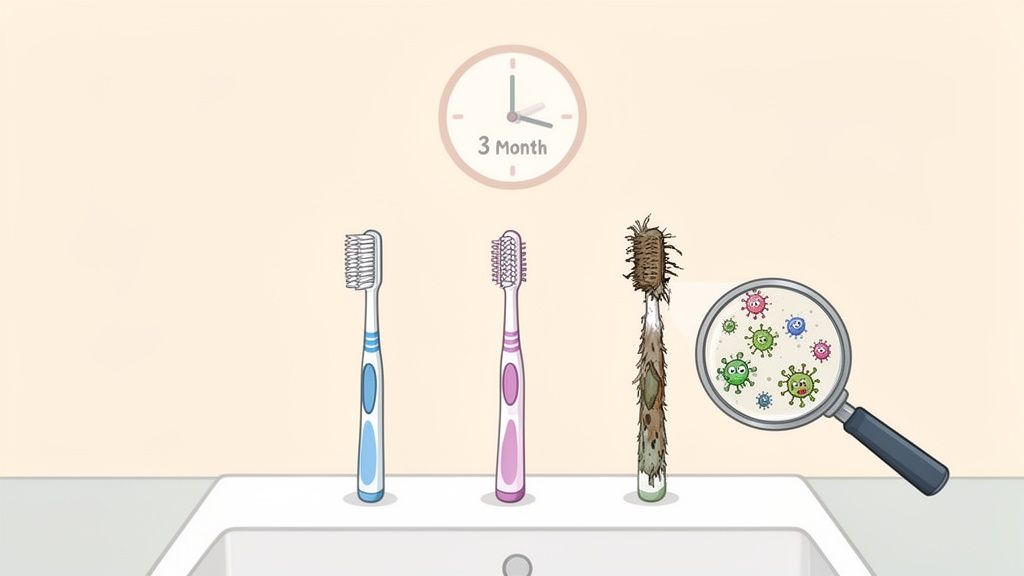
Streptococcus pyogenes, often shortened to Strep A, is a bacterium notorious for causing a wide range of human illnesses, from mild skin infections and strep throat to severe, life-threatening conditions. As a Gram-positive bacterium, it is commonly found on the skin and in the throats of healthy individuals without causing harm. However, when it breaches the body's defenses, it can lead to significant health problems, making it a major concern in any high-traffic environment where people gather, such as schools, offices, and healthcare settings.
Where Is Streptococcus Pyogenes Commonly Found?
Streptococcus pyogenes thrives in environments where people are in close contact. It spreads primarily through respiratory droplets from an infected person’s coughs or sneezes, or through direct contact with infected skin sores. This makes certain commercial and public spaces high-risk zones for transmission.
Key environments include:
- Schools and Daycare Centers: Children are particularly susceptible to strep throat, and the close-contact nature of these facilities facilitates rapid spread.
- Healthcare Facilities: Hospitals, clinics, and long-term care homes are hotspots due to the presence of vulnerable patients and the potential for transmission via healthcare workers or contaminated surfaces.
- Military Barracks and Dormitories: Crowded living quarters create ideal conditions for respiratory pathogens to circulate.
- Gyms and Fitness Centers: Shared equipment, locker rooms, and close physical proximity can contribute to the spread of skin infections caused by Strep A.
The bacterium can survive on surfaces for hours or even days, making contaminated doorknobs, toys, keyboards, and shared utensils effective vectors for transmission.
Health Risks Associated with Streptococcus Pyogenes
The health risks posed by Streptococcus pyogenes are diverse and can range from mild to severe. The most well-known illness it causes is strep throat (streptococcal pharyngitis), characterized by a sore throat, fever, and swollen lymph nodes. If left untreated, strep throat can lead to more serious complications like rheumatic fever, which can cause permanent damage to the heart.
Other infections caused by Strep A include:
- Impetigo: A contagious skin infection that results in red sores.
- Cellulitis: A deeper skin infection that causes redness, swelling, and pain.
- Scarlet Fever: A condition that can accompany strep throat, featuring a distinctive red rash.
- Invasive Diseases: In rare cases, the bacteria can cause life-threatening conditions like necrotizing fasciitis ("flesh-eating disease") and streptococcal toxic shock syndrome (STSS), where the bacteria release toxins into the bloodstream, leading to organ failure.
Because it is so easily transmitted, an outbreak in a commercial facility can lead to widespread illness, employee absenteeism, and a loss of consumer confidence.
How to Kill and Control Streptococcus Pyogenes
Controlling the spread of Streptococcus pyogenes hinges on a combination of personal hygiene and rigorous environmental cleaning. For facility managers, janitorial staff, and business owners, implementing a robust disinfection protocol is non-negotiable.
Effective cleaning practices include:
- Target High-Touch Surfaces: Focus disinfection efforts on frequently touched items like doorknobs, light switches, faucet handles, desks, keyboards, and shared equipment.
- Use EPA-Registered Disinfectants: Select cleaning products, especially disinfectant wipes, that are proven effective against Streptococcus pyogenes. The product label should list Strep A or Streptococcus pyogenes as a target pathogen.
- Adhere to Dwell Time: Dwell time is the period a disinfectant must remain wet on a surface to kill the specified pathogens. Wiping a surface and letting it air dry immediately may not be enough. Always follow the manufacturer’s instructions for the correct contact time.
- Promote Hand Hygiene: Encourage frequent handwashing with soap and water among staff and visitors. Provide alcohol-based hand sanitizer in common areas as a supplement.
Who Should Be Concerned?
While everyone should be aware of Streptococcus pyogenes, certain professionals have a heightened responsibility to manage the risk.
- School Administrators and Daycare Operators: Protecting children and staff from outbreaks of strep throat and impetigo is a primary concern. Regular, thorough cleaning of classrooms, cafeterias, and play areas is essential.
- Janitorial and Cleaning Staff: As the first line of defense, these professionals must be trained in proper disinfection techniques, including the use of appropriate personal protective equipment (PPE) and adherence to dwell times.
- Healthcare Providers and Facility Managers: Preventing healthcare-associated infections (HAIs) is critical. Strict cleaning protocols in patient rooms, waiting areas, and examination rooms are vital to protect vulnerable populations.
- Business Owners and Office Managers: Ensuring a healthy work environment minimizes absenteeism and maintains productivity. A clean facility demonstrates a commitment to employee well-being.
By understanding the risks and implementing effective disinfection strategies, you can significantly reduce the threat of Streptococcus pyogenes in your facility.
For reliable and effective cleaning solutions, we recommend exploring the EPA-registered disinfectant products available from Wipes.com. Their wipes are formulated to kill a broad spectrum of pathogens, including Streptococcus pyogenes, helping you maintain a safer and healthier environment.
Leave a Reply