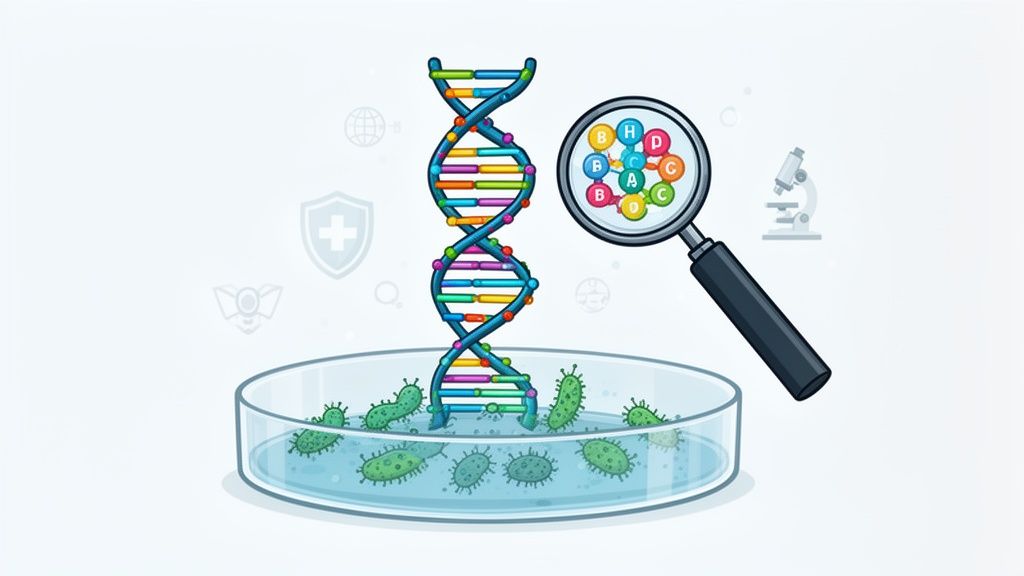
Pseudomonas aeruginosa is an opportunistic pathogen that poses a significant threat in various commercial and high-traffic environments. Known for its remarkable adaptability and resistance to disinfectants and antibiotics, this bacterium is a primary concern for facility managers, healthcare providers, and anyone responsible for maintaining public health and safety. Understanding its characteristics, risks, and control methods is crucial for effective infection prevention.
Definition and Overview
Pseudomonas aeruginosa is a common, rod-shaped, Gram-negative bacterium. It is found widely in the environment—in soil, water, and on plants. One of its most notable traits is its ability to thrive in moist conditions, making it a frequent colonizer of plumbing, drains, and medical equipment. It's an "opportunistic" pathogen, meaning it typically infects individuals with weakened immune systems, pre-existing health conditions, or those with open wounds. The bacterium is notorious for forming biofilms, which are slimy, protective layers that help it adhere to surfaces and resist cleaning agents, making it exceptionally difficult to eradicate.
Where It’s Commonly Found
Due to its preference for damp environments, Pseudomonas aeruginosa is a persistent challenge in specific settings. Facility managers and cleaning professionals should be particularly vigilant in these areas:
- Hospitals and Healthcare Facilities: It is a leading cause of hospital-acquired infections (HAIs), colonizing sinks, toilets, catheters, and respiratory equipment like ventilators.
- Gyms and Fitness Centers: Locker rooms, showers, swimming pools, and hot tubs are ideal breeding grounds. The constant moisture and high foot traffic create a perfect storm for transmission.
- Spas and Salons: Whirlpool footbaths, sinks, and improperly disinfected tools can harbor the bacteria, leading to skin infections.
- Commercial Kitchens and Food Service Areas: Drains, faucets, and damp cleaning cloths can become contaminated, posing a risk of cross-contamination.
Health Risks
Pseudomonas aeruginosa can cause a wide range of infections, varying in severity from mild to life-threatening. The type of infection often depends on the site of exposure and the health of the individual. Common health risks include:
- Skin Infections: Folliculitis (often called "hot tub rash"), abscesses, and infections in burn wounds or surgical sites.
- Respiratory Infections: Pneumonia is a serious risk, especially for patients on ventilators or those with chronic lung diseases like cystic fibrosis.
- Ear Infections: "Swimmer's ear" is a common result of exposure to contaminated water.
- Eye Infections: Contaminated contact lenses or solutions can lead to severe infections, potentially causing vision loss.
- Systemic Infections: In vulnerable individuals, the bacteria can enter the bloodstream, causing sepsis—a life-threatening condition.
A significant concern is its growing resistance to antibiotics. Many strains are multi-drug resistant, making infections difficult to treat and emphasizing the importance of prevention through rigorous sanitation.
How to Kill or Control It
Eradicating Pseudomonas aeruginosa requires a diligent and targeted approach, focusing on eliminating the moist conditions it loves and using effective disinfectants.
- Thorough Cleaning and Disinfection: Regular cleaning to remove organic soil is the first step. Follow this with a disinfectant proven effective against Pseudomonas aeruginosa. Look for products with an EPA registration number that lists this specific bacterium on its kill claims.
- Focus on Dwell Time: For a disinfectant to work, it must remain wet on the surface for a specific period, known as the "dwell time." This can range from 30 seconds to 10 minutes. Using disinfectant wipes makes it easier to ensure surfaces stay wet for the required time.
- Manage Moisture: Since the bacterium thrives in water, keeping surfaces dry is critical. Regularly inspect and clean drains, fix leaks promptly, and ensure proper ventilation in areas like showers and locker rooms.
- Proper Technique: Use a clean wipe or cloth for each area to avoid cross-contamination. For heavily soiled surfaces, a two-step process of cleaning first, then disinfecting, is most effective.
Who Should Be Concerned
While everyone should be aware of the risks, certain professionals must make its control a top priority:
- Healthcare Providers and Hospital Staff: Preventing HAIs from P. aeruginosa is a critical patient safety goal.
- Gym Owners and Operators: Protecting members from infections like hot tub rash and swimmer's ear is essential for business reputation and public health.
- Janitorial and Cleaning Staff: As the front line of defense, they need proper training on effective disinfection protocols, including dwell times and the use of appropriate products.
- Food Service Managers: Preventing contamination in kitchens and dining areas is vital to avoid foodborne illness and maintain health code compliance.
By implementing a robust hygiene strategy, you can effectively control the spread of Pseudomonas aeruginosa and create a safer environment for everyone. A practical takeaway is to establish a routine of cleaning and disinfecting all high-touch, moist-prone surfaces with an EPA-registered disinfectant.
For reliable disinfecting solutions proven effective against a broad spectrum of pathogens, including Pseudomonas aeruginosa, we recommend the professional-grade products available at Wipes.com.
Leave a Reply