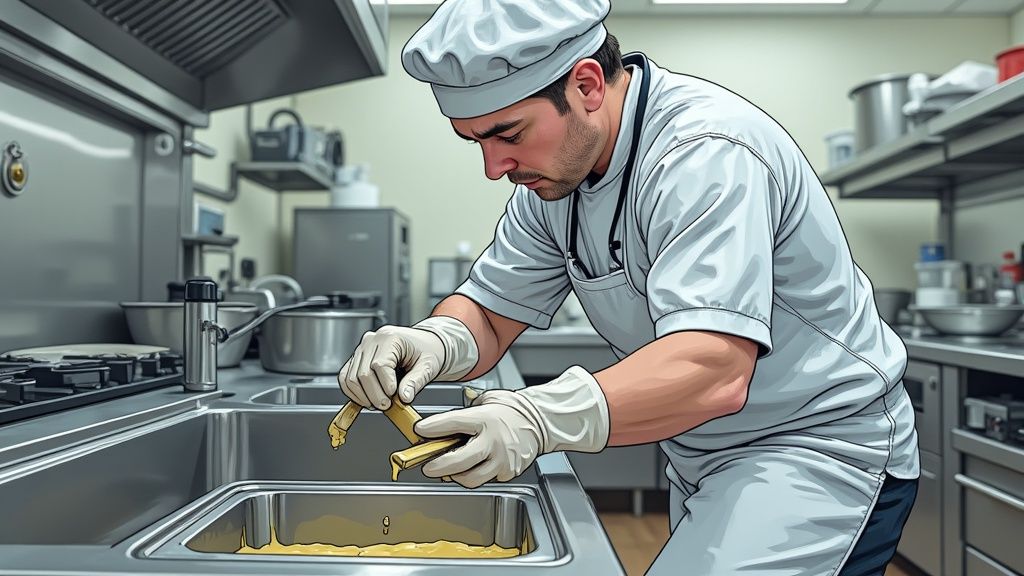
Salmonella enterica is one of the most well-known and widespread foodborne pathogens, posing a significant threat in any environment where food is prepared or served. For food service managers, janitorial staff, and restaurant owners, understanding and controlling this bacterium is not just a matter of compliance—it's essential for protecting public health and the reputation of your business. Its presence in a commercial kitchen can lead to severe outbreaks, regulatory action, and a loss of customer trust that can be difficult, if not impossible, to recover from.
Definition and Overview: What is Salmonella enterica?
Salmonella enterica, commonly referred to as Salmonella, is a rod-shaped, gram-negative bacterium belonging to the Enterobacteriaceae family. It is a highly adaptable microorganism with over 2,500 different serotypes, many of which can cause illness in humans. Salmonella is a facultative anaerobe, meaning it can thrive in environments with or without oxygen, making it particularly resilient in diverse settings like commercial kitchens. Its ability to survive on both dry surfaces and in water for extended periods makes it a persistent challenge for hygiene protocols.
The illness caused by Salmonella infection is called salmonellosis. This bacterium is notorious for its ability to colonize the intestinal tracts of a wide range of animals, including poultry, cattle, and reptiles, often without causing any signs of illness in the host animal. This makes it easy for the pathogen to enter the food supply chain undetected.
Where It’s Commonly Found
Salmonella is most frequently associated with food service environments, but it can be found in any setting where cross-contamination from raw food products can occur. Understanding its common habitats is the first step toward effective control.
Key environments and surfaces include:
- Raw Foods: Raw or undercooked poultry, eggs, beef, and pork are primary sources. Unpasteurized milk and dairy products are also significant risks.
- Produce: Fruits and vegetables can become contaminated if they come into contact with animal feces in the field or are washed with contaminated water.
- Food Preparation Surfaces: Cutting boards, countertops, knives, and other utensils that have touched raw meat or eggs can easily spread the bacteria to ready-to-eat foods.
- Kitchen Equipment: Meat grinders, slicers, and processing machinery can harbor Salmonella if not properly disassembled, cleaned, and sanitized.
- Employee Hands: Staff can transfer the bacteria from raw ingredients or contaminated surfaces to other foods, surfaces, or directly to customers.
- Drains and Sinks: Standing water and food debris in drains create an ideal breeding ground for Salmonella.
Health Risks and Transmission
Salmonella enterica is primarily transmitted through the fecal-oral route, most often by consuming contaminated food or water. Symptoms of salmonellosis typically appear 6 to 72 hours after infection and include diarrhea, fever, abdominal cramps, and vomiting. While most healthy individuals recover within a week, the infection can be severe—and even life-threatening—for vulnerable populations, such as young children, the elderly, and individuals with weakened immune systems.
In some cases, the infection can spread from the intestines to the bloodstream and other parts of the body, leading to a serious condition known as enteric fever (typhoid fever), which requires prompt antibiotic treatment. The Centers for Disease Control and Prevention (CDC) estimates that Salmonella causes about 1.35 million infections, 26,500 hospitalizations, and 420 deaths in the United States every year.
How to Kill or Control It
Controlling Salmonella enterica in a food service setting relies on a multi-faceted approach centered on preventing cross-contamination and implementing rigorous cleaning and sanitation protocols.
- Strict Food Handling Practices: Adhere to all food safety guidelines, including cooking meat, poultry, and eggs to the proper internal temperatures. Use separate cutting boards and utensils for raw and cooked foods.
- Proper Handwashing: Implement and enforce a strict handwashing policy for all staff, especially after handling raw meat or using the restroom.
- Thorough Cleaning and Sanitization: Regular, effective cleaning is non-negotiable. For sanitizing food contact surfaces, disinfectant wipes that are EPA-registered and proven effective against Salmonella enterica are an excellent tool. When using disinfectants, paying close attention to the dwell time—the amount of time the surface must remain visibly wet to kill the pathogen—is crucial. This information is always listed on the product label. Wipes offer a convenient way to ensure the correct concentration of disinfectant is applied consistently.
- Surface Disinfection: Non-porous surfaces like stainless steel countertops, plastic cutting boards, and food preparation equipment should be cleaned of all debris and then treated with an appropriate disinfectant. Following EPA standards for food contact surface sanitizers is mandatory.
Who Should Be Concerned?
While everyone should be aware of the risks of Salmonella, certain professionals must make its control a top priority.
- Food Service Managers and Restaurant Owners: You are legally and ethically responsible for implementing and enforcing food safety protocols to prevent outbreaks. A Salmonella incident can lead to lawsuits, fines, and closure.
- Chefs and Kitchen Staff: As front-line food handlers, your adherence to hygiene practices directly impacts customer safety. Diligence in preventing cross-contamination is your most important responsibility.
- Janitorial and Cleaning Staff: You are responsible for executing the sanitation protocols that eliminate pathogens from the environment. Using the right products and techniques, especially concerning dwell times, is critical to your success.
Ultimately, preventing the spread of Salmonella enterica requires a commitment to a culture of food safety. Diligent cleaning, proper food handling, and the use of effective, EPA-registered disinfectants are the cornerstones of protecting your customers and your business from this pervasive threat.
For sanitizing surfaces effectively and conveniently, we recommend using high-quality disinfectant wipes from a trusted supplier. Wipes.com offers a range of EPA-registered products designed for commercial environments, ensuring you have the right tools to kill pathogens like Salmonella enterica and maintain a safe, hygienic facility.
Leave a Reply