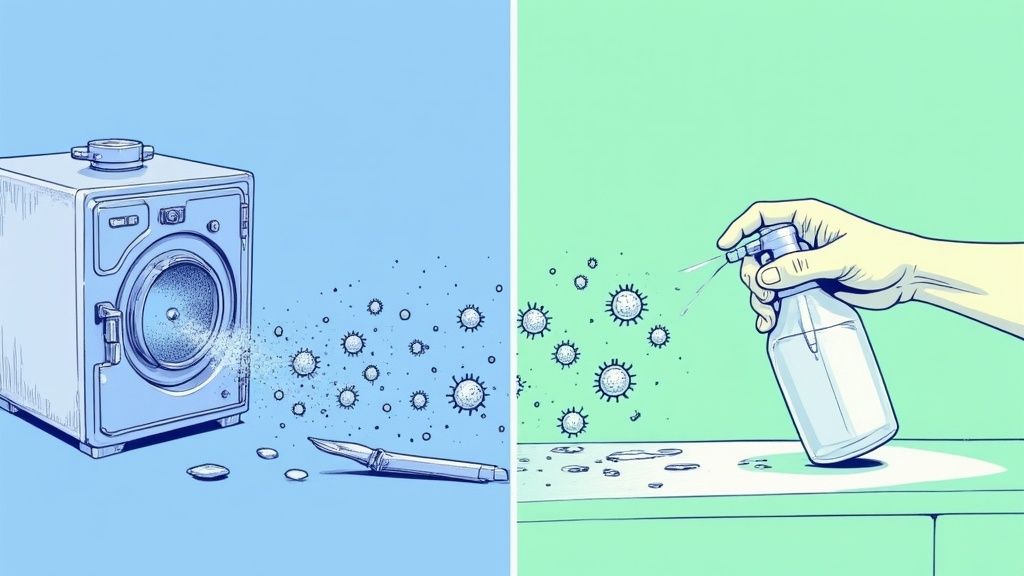
Definition and Overview: What is Streptococcus pyogenes?
Streptococcus pyogenes, often referred to as Group A Streptococcus (GAS), is a species of Gram-positive bacteria. This microorganism is notable for its spherical shape and its tendency to grow in chain-like formations. While many streptococcal bacteria are harmless, S. pyogenes is a significant human pathogen responsible for a wide range of illnesses, from mild skin infections to severe, life-threatening diseases. Its ability to produce various toxins and enzymes allows it to invade tissues and evade the immune system, making it a persistent threat in any high-traffic environment.
Where It’s Commonly Found
Streptococcus pyogenes thrives in environments where people are in close contact, facilitating its spread through respiratory droplets and direct contact. It is a common culprit for outbreaks in settings that require stringent hygiene protocols.
Key high-risk environments include:
- Healthcare Facilities: Hospitals, clinics, and long-term care homes are prime locations due to the presence of vulnerable individuals with weakened immune systems.
- Schools and Daycare Centers: Children are particularly susceptible to streptococcal infections like strep throat and scarlet fever, and close interaction promotes rapid transmission.
- Gyms and Fitness Centers: Shared equipment, locker rooms, and high-touch surfaces can harbor the bacteria if not cleaned and disinfected properly.
- Correctional Facilities and Military Barracks: Crowded living conditions create an ideal environment for the spread of respiratory and skin infections caused by S. pyogenes.
The bacteria can survive on dry surfaces for hours to days, making contaminated doorknobs, countertops, shared electronics, and fitness equipment potential sources of infection.
Health Risks Associated with Streptococcus pyogenes
Infection with S. pyogenes can manifest in several ways, ranging from mild to life-threatening. Transmission occurs primarily through respiratory droplets from coughing or sneezing, or through direct contact with infected skin lesions or contaminated surfaces.
Common health risks include:
- Pharyngitis (Strep Throat): A painful throat infection that is one of the most common bacterial illnesses in children.
- Skin Infections: Impetigo (crusted sores) and cellulitis (a deeper skin infection) are frequent manifestations.
- Scarlet Fever: A rash that can accompany strep throat, caused by toxins the bacteria releases.
- Invasive Diseases: In severe cases, the bacteria can cause necrotizing fasciitis ("flesh-eating disease") or streptococcal toxic shock syndrome, which are medical emergencies with high mortality rates.
Post-infection complications like rheumatic fever, which can damage the heart, and kidney disease (glomerulonephritis) can also occur, underscoring the importance of preventing its spread.
How to Kill or Control Streptococcus pyogenes
Controlling the spread of Streptococcus pyogenes hinges on meticulous cleaning and disinfection practices. Because it can survive on surfaces, routine environmental hygiene is a critical line of defense.
Effective control strategies include:
- Use EPA-Registered Disinfectants: Choose disinfectant wipes or solutions that are proven effective against Streptococcus pyogenes. Look for products with specific claims against this bacterium on the label.
- Adhere to Dwell Times: The "dwell time" or "contact time" is the period a disinfectant must remain wet on a surface to kill the pathogen. This is a critical step; wiping a surface dry too soon can render the disinfectant ineffective. Follow the manufacturer's instructions precisely.
- Focus on High-Touch Surfaces: Regularly disinfect doorknobs, light switches, gym equipment, shared desks, and restroom fixtures. A consistent schedule is key to reducing the environmental load of the bacteria.
- Proper Cleaning Technique: Always clean surfaces with a detergent-based cleaner to remove dirt and organic matter before applying a disinfectant. This pre-cleaning step ensures the disinfectant can reach and kill the bacteria effectively.
Who Should Be Concerned?
While everyone should be aware of hygiene best practices, certain professionals have a heightened responsibility to manage the risk of S. pyogenes transmission.
- Facility Managers and Janitorial Staff: You are on the front lines of infection prevention. Implementing and enforcing proper cleaning and disinfection protocols, including staff training on dwell times and product usage, is essential.
- Healthcare Providers: Strict adherence to infection control guidelines, including hand hygiene and environmental disinfection, is non-negotiable to protect vulnerable patients.
- School Administrators and Daycare Operators: Your role is crucial in preventing outbreaks among children. Ensure cleaning schedules are rigorous, promote handwashing, and have clear policies for sick children.
- Gym and Fitness Center Owners: Protecting your members requires a commitment to disinfecting shared equipment and common areas consistently throughout the day.
Practical Takeaway: Effective control of Streptococcus pyogenes is not just about reacting to an outbreak; it's about proactive, consistent environmental hygiene. Prioritize the use of EPA-approved disinfectants with a specific claim against S. pyogenes and ensure your team understands that proper dwell time is the key to truly effective disinfection.
Leave a Reply