Escherichia coli (commonly known as E. coli) is a large and diverse group of bacteria. While most strains of E. coli are harmless and live in the intestines of healthy people and animals, some are pathogenic, meaning they can cause illness. One of the most notorious of these is E. coli O157:H7, a strain that can cause severe foodborne illness and has become a significant public health concern, particularly in food service and processing environments.
Definition and Overview of E. coli O157:H7
E. coli O157:H7 is a Shiga toxin-producing E. coli (STEC). This classification means it produces a powerful toxin, called Shiga toxin, which is responsible for the severe symptoms associated with infections. This toxin damages the lining of the small intestine, leading to bloody diarrhea and other serious complications. Discovered in 1982 following an outbreak linked to undercooked hamburgers, E. coli O157:H7 is a gram-negative, rod-shaped bacterium known for its ability to survive in acidic environments and cause infection with a very low infectious dose—meaning ingesting even a small number of the bacteria can make someone sick.
Where It’s Commonly Found
E. coli O157:H7 lives in the guts of ruminant animals, particularly cattle. As a result, it is most commonly associated with beef, especially ground beef, where bacteria from the animal's hide or intestines can be mixed into the final product during processing. However, its reach extends far beyond the meat aisle.
Common environments and sources include:
- Food Service and Processing: Primarily found in raw or undercooked ground beef, but also in unpasteurized milk, contaminated water, and produce like lettuce and sprouts that have come into contact with contaminated animal manure.
- Farms and Petting Zoos: Direct contact with cattle or other farm animals can lead to transmission.
- Water Sources: Contaminated drinking water or recreational water (lakes, pools) can also be sources of outbreaks.
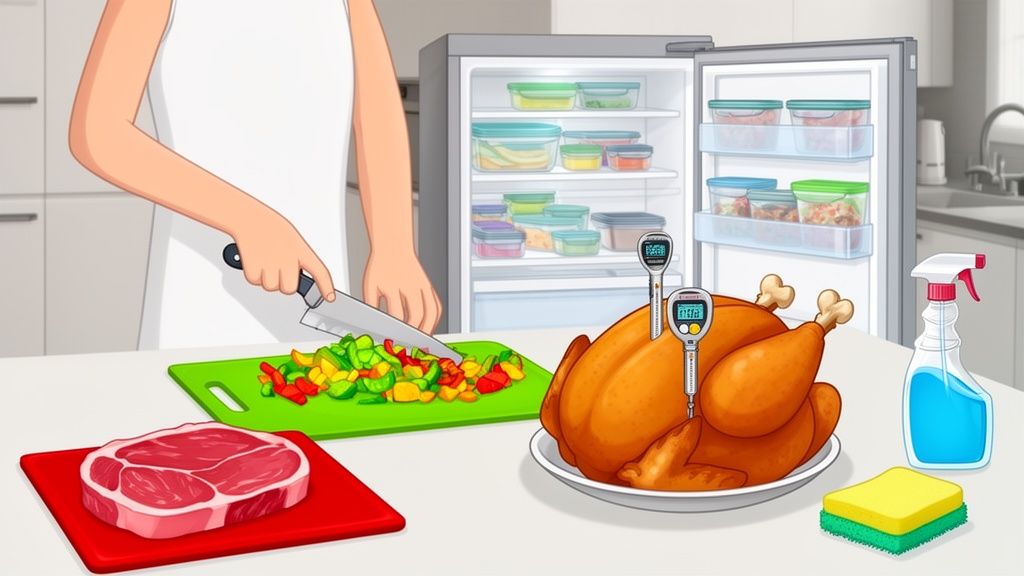
Cross-contamination is a major risk in commercial kitchens. A knife used on raw ground beef that is then used to chop salad ingredients can easily transfer the bacteria, leading to a widespread outbreak.
Health Risks of E. coli O157:H7
Infection with E. coli O157:H7 can be severe. Symptoms typically appear 3-4 days after exposure and include severe stomach cramps, diarrhea (often bloody), and vomiting. While most people recover within a week, some—especially young children and the elderly—can develop a life-threatening complication called hemolytic uremic syndrome (HUS). HUS is a condition where red blood cells are destroyed and the kidneys fail, and it is the most common cause of acute kidney failure in children. Transmission occurs primarily through the fecal-oral route, by ingesting contaminated food or water or through person-to-person contact.
How to Kill or Control E. coli O157:H7
Controlling E. coli O157:H7 in commercial settings hinges on strict adherence to hygiene protocols and temperature control. The bacterium is sensitive to heat and can be killed by cooking food to a safe internal temperature. For ground beef, the FDA recommends cooking to at least 160°F (71°C).
For surfaces, effective cleaning and disinfection are critical. The process involves:
- Cleaning: First, remove all visible soil and food debris from surfaces with soap and water.
- Disinfection: Apply an EPA-registered disinfectant proven effective against E. coli. It is essential to follow the manufacturer's instructions for dwell time—the amount of time the disinfectant must remain wet on the surface to kill the bacteria. Wiping the solution off too early will not achieve proper disinfection.
Using high-quality disinfectant wipes is an efficient way to manage this process, as they combine the cleaning agent and applicator in one, ensuring consistent chemical concentration and reducing the risk of cross-contamination from reusable cloths.
Who Should Be Concerned
This information is vital for a wide range of professionals who are on the front lines of preventing foodborne illness:
- Food Service Managers and Staff: Responsible for implementing and enforcing food safety protocols, including proper cooking temperatures, preventing cross-contamination, and ensuring diligent handwashing.
- Meat Processing Plant Operators: Must maintain stringent sanitation procedures to prevent contamination of beef during slaughter and grinding.
- Janitorial and Sanitation Crews: Tasked with the proper cleaning and disinfection of food preparation surfaces, equipment, and common areas in restaurants and processing facilities.
- Public Health Officials: Monitor for outbreaks and educate the public and businesses on prevention strategies.
A proactive approach to hygiene is the best defense against E. coli O157:H7. The takeaway is clear: cook food thoroughly, prevent cross-contamination by separating raw and cooked foods, and maintain a rigorous cleaning and disinfection schedule for all food-contact surfaces.
For reliable, EPA-registered disinfecting solutions that are proven effective against a broad spectrum of pathogens including E. coli, we recommend the comprehensive range of products available at Wipes.com. Their disinfectant wipes are designed for commercial environments, ensuring you can maintain the highest standards of hygiene and safety.
Leave a Reply