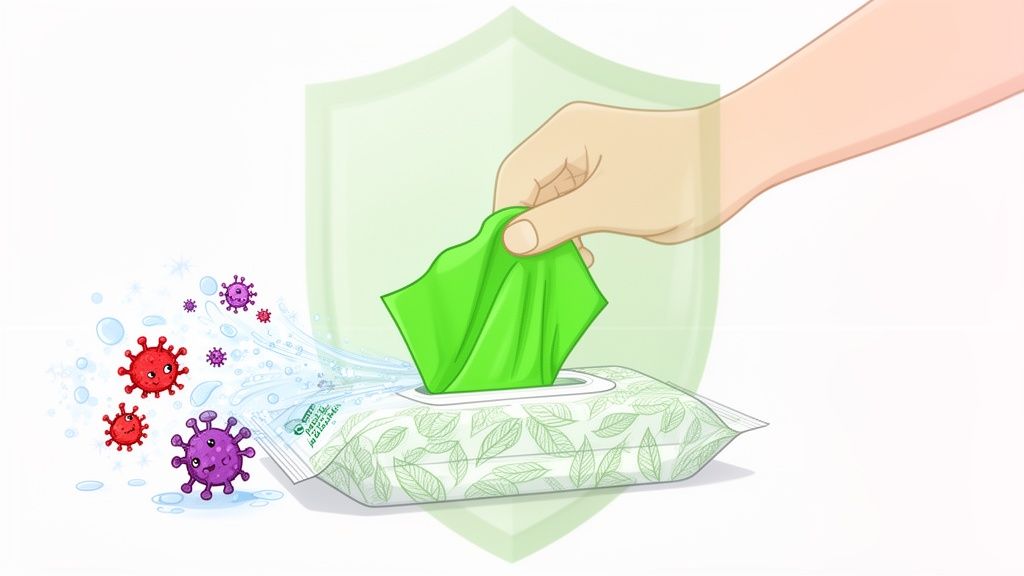
When managing high-traffic commercial environments, from hospitals to fitness centers, certain bacteria pose a persistent threat. Among the most resilient is Pseudomonas aeruginosa, an opportunistic pathogen notorious for its ability to survive and thrive where other germs can't. Understanding this bacterium is the first step toward effectively controlling it and ensuring a safe environment for everyone.
Definition and Overview of Pseudomonas aeruginosa
Pseudomonas aeruginosa is a common Gram-negative, rod-shaped bacterium that can be found in soil, water, and on plant surfaces. What makes it particularly notable in commercial settings is its incredible adaptability and minimal nutritional needs, allowing it to colonize a wide range of moist environments. One of its most significant traits is its ability to form biofilms—slimy, protective layers that act like armor, shielding the bacteria from cleaners and disinfectants. This biofilm makes P. aeruginosa exceptionally difficult to eradicate from surfaces once it has established a presence.
Where It’s Commonly Found
Because P. aeruginosa thrives in damp conditions, it is a frequent contaminant in environments where water is present. Facility managers and cleaning professionals should be particularly vigilant in these areas:
- Healthcare Facilities: It is a major concern in hospitals, where it can colonize medical equipment such as respiratory machines and catheters, as well as sinks, drains, and hydrotherapy pools.
- Gyms, Spas, and Pools: Locker room floors, showers, hot tubs, and swimming pools are prime breeding grounds for this bacterium.
- Food Service Areas: Damp cleaning tools like mops and sponges, along with floor drains and ice machines, can harbor P. aeruginosa.
- Commercial Buildings: HVAC systems, humidifiers, and decorative fountains can also become contaminated if not properly maintained.
Health Risks Associated with Pseudomonas aeruginosa
For healthy individuals, exposure to P. aeruginosa may not cause any issues. However, it is an opportunistic pathogen, meaning it primarily causes infections in individuals with weakened immune systems, pre-existing health conditions (like cystic fibrosis), or compromised physical barriers (like burn wounds or post-surgery incisions).
When an infection does occur, it can range from mild to life-threatening. Common infections include:
- Hot tub rash (folliculitis) and swimmer's ear (otitis externa).
- Serious lung infections (pneumonia), particularly in hospital patients on ventilators.
- Bloodstream infections, urinary tract infections (UTIs), and surgical site infections.
A significant concern with P. aeruginosa is its intrinsic and acquired resistance to many antibiotics, which can make infections difficult and costly to treat.
How to Kill or Control Pseudomonas aeruginosa
Eradicating P. aeruginosa requires a diligent and precise cleaning protocol, especially to combat its protective biofilm. A simple surface wipe-down is often insufficient.
- Use EPA-Registered Disinfectants: The most crucial step is to use a disinfectant that is registered with the Environmental Protection Agency (EPA) and is proven effective against P. aeruginosa. The product label will explicitly list this bacterium if it has passed the required efficacy tests.
- Adhere to Dwell Time: Dwell time, or contact time, is the minimum period a surface must remain visibly wet with the disinfectant to kill the pathogen. For a resilient bacterium like P. aeruginosa, this could be anywhere from 3 to 10 minutes. Ignoring dwell time means you are not truly disinfecting the surface. Using high-quality disinfectant wipes ensures the correct concentration of the disinfecting agent is applied.
- Proper Technique: Clean the surface of visible dirt and grime before disinfecting. Apply the disinfectant and allow it to sit for the full dwell time before wiping dry or allowing it to air dry, as per the label instructions.
Who Should Be Concerned?
While everyone can benefit from proper hygiene, certain professionals must be particularly focused on controlling P. aeruginosa:
- Healthcare Providers & Janitorial Staff: Preventing hospital-acquired infections (HAIs) is a top priority, making the proper disinfection of patient rooms and medical equipment critical.
- Gym Operators & Spa Managers: The health and safety of members depend on rigorous cleaning of shared equipment, locker rooms, and aquatic facilities.
- Food Service Managers: Preventing contamination in food preparation and storage areas is essential for public health.
- Commercial Property Managers: Maintaining clean HVAC systems and common areas helps protect all building occupants.
By implementing a cleaning strategy that uses proven disinfectants and follows correct procedures, facility managers can effectively control the spread of P. aeruginosa and maintain a healthier environment.
For a powerful, yet safe approach to disinfection, we recommend exploring the EPA-registered solutions at Wipes.com. Their products are designed to effectively eliminate challenging pathogens like P. aeruginosa, giving business owners and janitorial staff some much-needed peace of mind.
Leave a Reply